A torn tendon in the shoulder sounds threatening at first – but it does not automatically mean an operation. Many sufferers can achieve significant pain relief with targeted conservative measures without having to go to the operating theater.
The shoulder is one of the most complex joints in the human body. Whether conservative treatment is sensible and promising depends on numerous individual factors – from the size of the tear to age and personal everyday requirements. At the Orthopaedic Centre Munich East, Prof. Dr. Peter Diehl follows precisely this philosophy: first exhaust all conservative options before considering surgical steps. This article provides you with comprehensive information about treatment options and decision criteria.

Prof. Dr. med. habil. Peter Diehl ist Facharzt für Orthopädie und Unfallchirurgie am OZMO – Orthopädie Zentrum München Ost. Als Spezialist für Schulter- und Knieerkrankungen verfügt er über langjährige operative Erfahrung. Zu seinen Behandlungsschwerpunkten zählen Sportverletzungen, Knorpelschäden, regenerative Knorpeltherapien und minimalinvasive Gelenkeingriffe.
Table of contents:

What is a torn tendon in the shoulder and when is conservative treatment possible?
The rotator cuff is the central muscle-tendon group of the shoulder. It consists of four muscles with their associated tendons: the supraspinatus, the infraspinatus, the subscapularis and the teres minor. Together they stabilize the shoulder joint and enable almost all arm movements – from simple forward movement to overhead work. If one of these tendons tears, this is referred to as a rotator cuff tear. A distinction is made between a sudden acute tear, for example caused by a fall or abrupt movement, and a gradual degeneration in which the tendon slowly wears through over many years – often without the affected person noticing this at first.
The frequency of such changes is remarkable: in people between the ages of 60 and 70, almost half are affected by rotator cuff changes, without all of them causing symptoms. The body has an amazing ability to adapt and can compensate for changes up to a certain point with the remaining muscles.
Whether conservative treatment is an option for tendon ruptures in the shoulder depends on several decisive factors:
- Strength and type of pain
- Extent of the loss of strength in the arm
- Restrictions on shoulder mobility
- Age and general activity level of the patient
- Size and localization of the crack
- Presence of an accompanying inflammatory reaction
- Professional and sporting demands in everyday life
Symptoms and diagnostics – When does a tendon rupture become visible?
Typical symptoms of a torn tendon in the shoulder include pain when moving overhead, a noticeable loss of strength when lifting the arm and pain at night, which can significantly impair sleep. Some sufferers also report a cracking or rubbing sensation in the joint. Important to know: The intensity of the symptoms does not always correlate with the actual size of the tear.
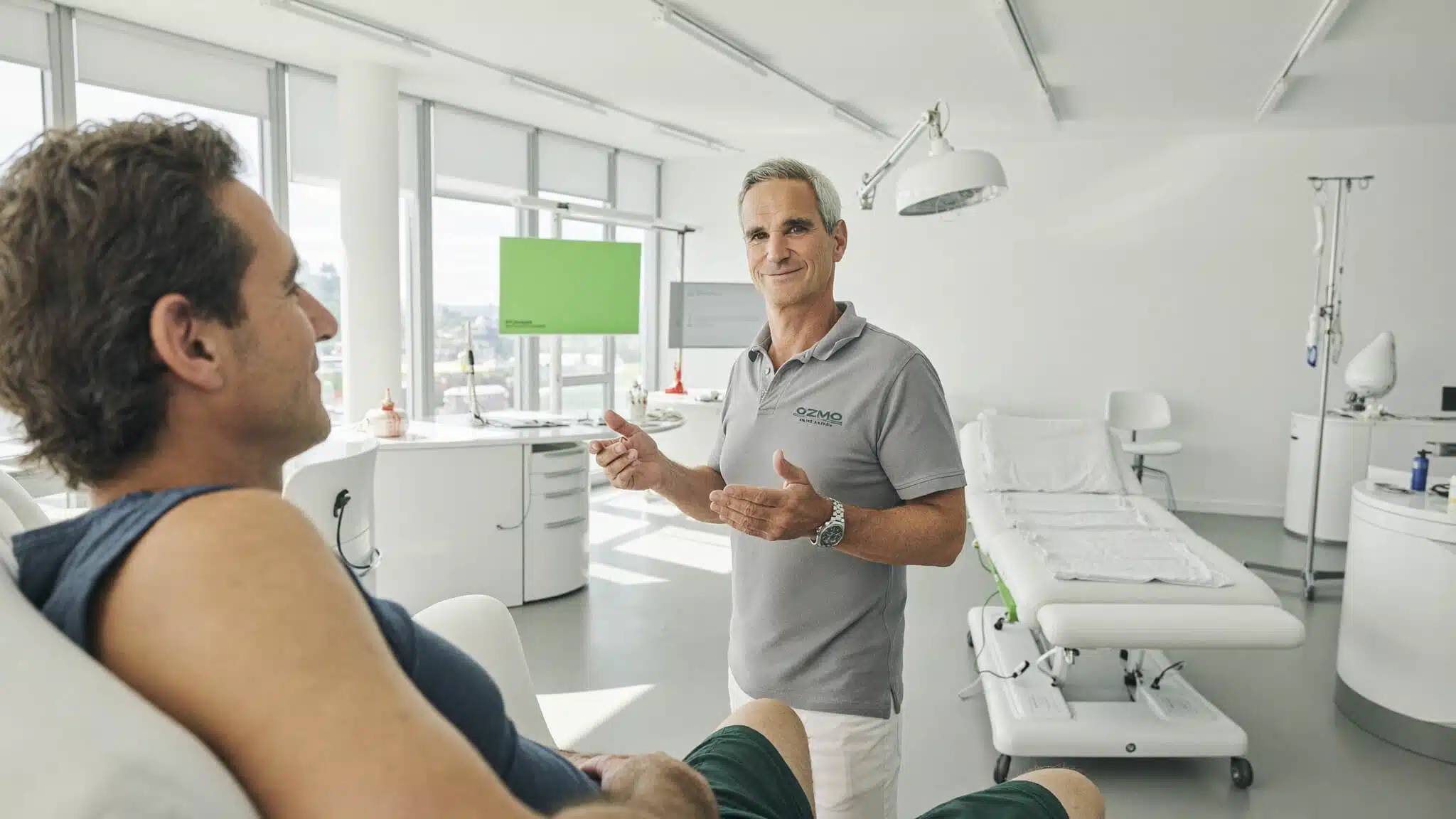
Differentiated diagnostics are essential for a well-founded treatment decision. Prof. Dr. Diehl emphasizes that many cracks only become visible through imaging procedures:
- Clinical examination: Targeted tests to assess strength, range of motion and pain provocation
- Ultrasound: Fast, radiation-free procedure for initial assessment of the tendon structure
- MRI imaging: Detailed representation of crack size, localization and accompanying changes
Conservative treatment methods at the Orthopaedic Center Munich East
The treatment philosophy at the Orthopaedics Center Munich East is clear: do not perform surgery as a knee-jerk reaction, but first exhaust all conservative options. This approach reflects the current state of shoulder medicine and benefits many patients who wish to avoid surgery or cannot be operated on due to their state of health.
The following treatment methods are available for conservative treatment of tendon ruptures in the shoulder:
- Physiotherapy: Targeted strengthening programme for the preserved shoulder muscles to relieve and stabilize the injured tendon
- Drug-based pain therapy: Anti-inflammatory drugs (NSAIDs) reduce pain and swelling, making therapeutic exercises possible in the first place
- Cortisone injections: Targeted injections into the subacromial space dampen acute inflammatory processes and provide noticeable relief in the short term
- Shock wave therapy: This method has shown good results, particularly in the case of accompanying calcium deposits or chronic tendon complaints
- PRP treatment (platelet-rich plasma): A modern regenerative approach in which the body’s own growth factors are extracted from the patient’s blood and injected directly into the affected tissue to support healing
> Treatment approach at the Orthopaedic Center Munich East: Each therapy is individually tailored to the patient. Prof. Dr. Peter Diehl and his team develop a tailor-made plan together with each patient – based on the diagnosis, life situation and personal goals.
Physiotherapy and rehabilitation – the key to success
Structured physiotherapy for shoulder injuries follows a clearly structured rehabilitation process that takes place in three successive phases. The initial focus is on pain reduction, followed by gradual mobilization and finally targeted strengthening. Everyday activities and ergonomics at the workplace are also adapted to avoid overloading. The active cooperation of the patient is crucial – those who carry out the exercises regularly and correctly achieve significantly better results.
A typical rehabilitation plan includes the following steps:
- Manual therapy and heat applications for initial pain relief
- Stretching exercises to restore the full range of motion
- Isometric strengthening exercises as a gentle introduction
- Dynamic strengthening of the rotator cuff and shoulder blade muscles
- Functional training for returning to everyday life, work and sport
The first significant improvements are usually noticeable after 6-12 weeks.
When is conservative therapy promising?
There is no general answer to the question of whether a rotator cuff tear can be treated conservatively. Patients with smaller partial tears, older people with a moderate level of activity and people with concomitant conditions that would increase the risk of surgery are ideally suited to a conservative approach. Patients whose symptoms are still manageable despite the tear often also benefit from conservative measures. It is important to set realistic goals: the aim is not to completely heal the tear anatomically – which is almost impossible to achieve in the case of pronounced defects – but to achieve a lasting reduction in pain and a noticeable improvement in shoulder function in everyday life.
| Favorable factors for conservative therapy | Limits of conservative therapy |
|---|---|
| Small or medium-sized partial tear | Complete tear with considerable loss of strength |
| Older age, moderate activity level | Young, very active patients |
| Pain well manageable | Persistent severe pain despite therapy |
| No heavy workloads | Occupations with permanent overhead work |
| Good general state of health | Relevant muscle atrophy or tendon retraction |
The decision is always made together with the specialist – on the basis of a careful diagnosis and an open discussion about expectations and life circumstances.
Frequently asked questions (FAQ)
Can a torn tendon heal without surgery?
In the case of smaller tears and partial ruptures, natural stabilization by scar tissue is possible. Complete anatomical healing – i.e. complete fusion of the tendon – is rare. However, freedom from symptoms or significantly improved function can certainly be achieved with conservative measures. Many patients lead an almost normal everyday life after successful treatment.
How long does conservative treatment take?
Intensive conservative treatment for tendon ruptures in the shoulder usually lasts three to six months. This is often followed by long-term care to prevent relapses and stabilize the shoulder permanently. The first noticeable improvements can often be seen after just six to eight weeks if the treatment is carried out consistently.
When does surgery have to be performed?
Surgery is considered if the symptoms do not improve sufficiently after six months of consistent conservative treatment, if a significant loss of strength permanently restricts the ability to perform everyday activities or if there are large tears in young, active patients for whom early surgical treatment promises better long-term results.
Conclusion – Modern shoulder medicine relies on individual solutions
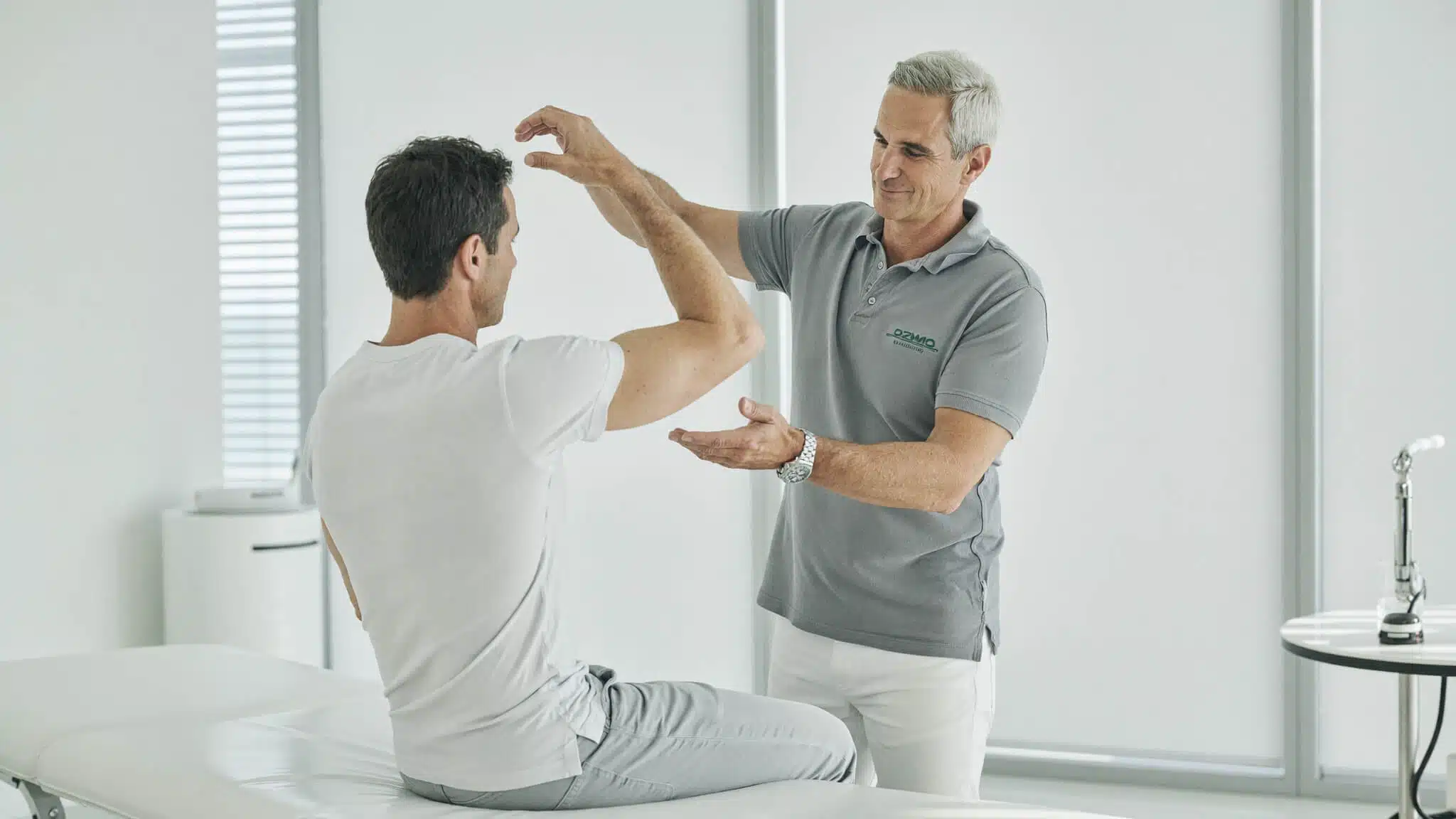
A torn tendon in the shoulder is not automatically an indication for surgery. Conservative therapy offers effective alternatives that can achieve very good results with the right patient selection. The decisive factors are sound diagnostics and individual treatment planning – both of which are core competencies of the Orthopaedic Center Munich East.
Prof. Dr. Peter Diehl and his team will take the time to thoroughly analyze your personal situation and work with you to find the best course of treatment. Whether conservative therapy or surgical treatment – you will be competently guided in every decision. Arrange your consultation appointment now at the Orthopaedic Center Munich East and take the first step towards a pain-free shoulder.
> Make an appointment now: Contact the Orthopaedic Center Munich East for an individual diagnosis and consultation for shoulder complaints.

Part of Ortivity Network