
Healthy feet form the very foundation of our entire musculoskeletal system and literally carry us through life. As the biomechanical foundation, they absorb enormous forces with every single step, provide stability and enable us to move freely, safely and with endurance. Yet in everyday life, they are often taken for granted – until pain or visible symptoms come to the fore.
What many people don’t realise, or tend to greatly underestimate, is that the health of your feet affects far more than just walking. Misalignments, weakened muscles or structural changes in this area can trigger a biomechanical chain reaction that has a lasting impact on the knees, hips and back alike. In this comprehensive article, you will learn how healthy feet function anatomically, what causes common complaints, what practical measures you can take straight away, and when professional orthopaedic support is advisable and necessary.
*** Translated with www.DeepL.com/Translator (free version) ***

Dr. Dr. med. univ. Florian Walter Lenze ist Facharzt für Orthopädie und Unfallchirurgie am OZMO – Orthopädie Zentrum München Ost. Sein Schwerpunkt liegt auf der Behandlung von Verletzungen, Fehlstellungen und Erkrankungen des Fußes und Sprunggelenks. Er verfügt über das Zertifikat Fußchirurgie der Deutschen Assoziation für Fuß und Sprunggelenk.
Table of contents:
- Why healthy feet are key to your well-being
- The foot: a complex marvel of nature
- Recognising and understanding common causes of foot problems
- Foot deformities and their far-reaching consequences
- Proven strategies for healthy feet in everyday life
- Effective Foot Exercises for Everyday Life
- When Professional Help Is Needed – Conservative Treatment Before Surgery
- Frequently asked questions (FAQ)
- Conclusion – Invest in Your Foot Health
Why healthy feet are key to your well-being
The human foot is not an isolated part of the body—it is a highly complex, sensitive link between your body and the ground. From a biomechanical perspective, it acts as a dynamic stabilizer that cushions impacts with every step, compensates for uneven surfaces, and precisely coordinates the entire movement sequence. Healthy foot structures ensure that forces are distributed evenly across the skeleton, rather than concentrating on individual, overloaded joints. This even distribution of force is crucial, because a compromised arch inevitably alters the body’s entire static axis—from the ankle all the way up to the spine.
Current scientific findings provide compelling evidence that the human foot also serves as a highly sensitive sensor for spatial body awareness. Through a process known as proprioception —the body’s sense of its own position—many thousands of fine nerve endings in the sole of the foot continuously transmit important information about ground conditions, position, pressure, and movement to the central nervous system in fractions of a second. Healthy feet process these diverse stimuli optimally, thereby enabling completely pain-free walking with maximum physical stability. However, if this complex chain of information is disrupted, the body compensates for the resulting deficits through unnatural compensatory movements—with long-term and painful consequences for the entire musculoskeletal system.
Specific benefits of healthy feet in everyday life:
- Pain-free, sustained walking and standing on a wide variety of surfaces in nature and in the city
- Reliable stability and proper posture during all athletic and everyday activities
- Excellent balance to effectively prevent dangerous falls in everyday life
- Protecting the knee and hip joints from excessive and one-sided strain
- Maintaining mobility and quality of life into old age through a natural love of movement
> Important to know: Every single step transfers one to three times your body weight to your feet. Over the course of a day, that adds up to several hundred metric tons of total load—impressive proof of the extraordinary resilience of healthy foot structures.
The foot: a complex marvel of nature
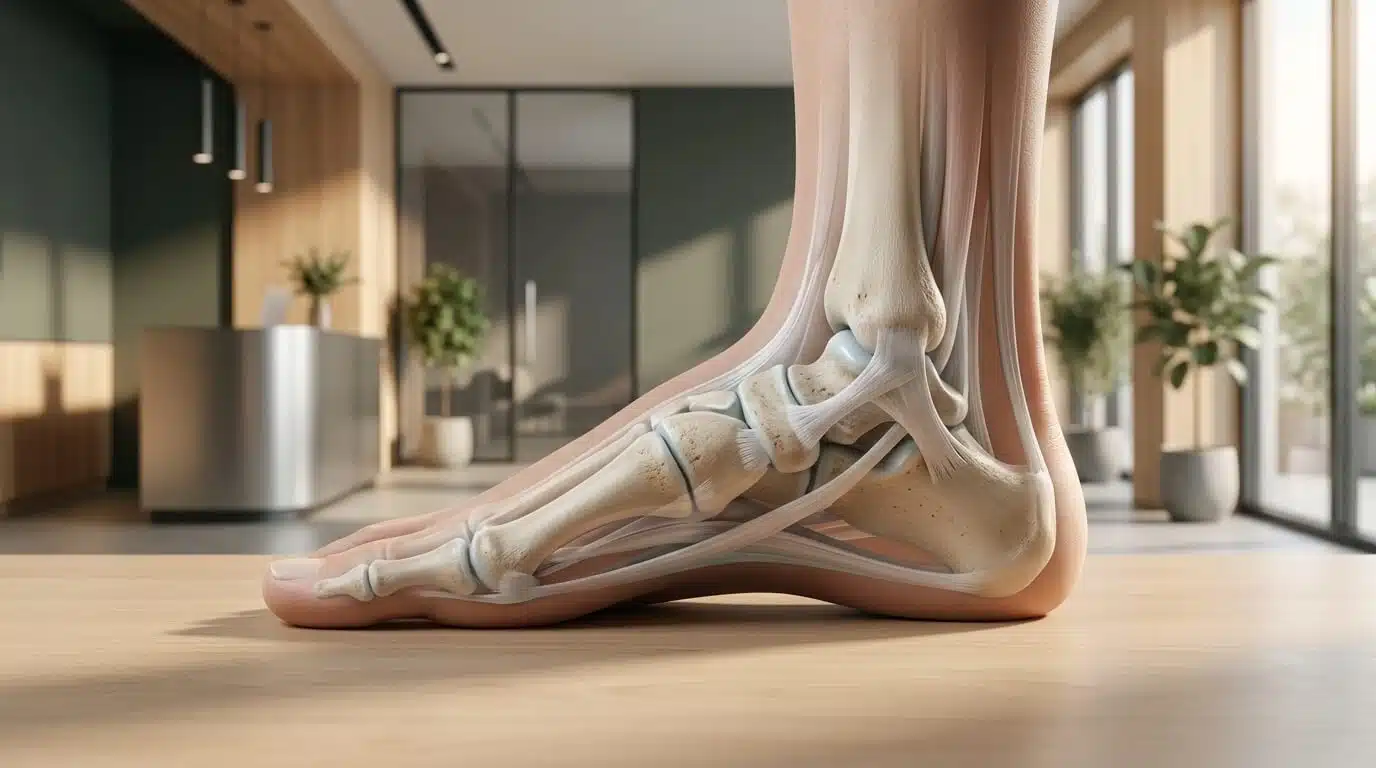
The anatomy of our feet reveals a true marvel of human evolution. Within a very small space, the human foot combines an impressive anatomical complexity consisting of exactly 26 bones, over 100 strong ligaments and tendons, and an extremely complex musculature. Within this delicate yet robust structure, 33 joints work together precisely to enable nuanced movements and to form and permanently maintain the foot’s characteristic longitudinal and transverse arches.
This pronounced arch acts as a highly efficient, natural shock absorber, cushioning the entire body weight softly and flexibly with every single step and optimally distributing the impact energy. Comprehensively trained and strong foot muscles are of absolutely central importance here: they not only actively maintain the important arch structure, but also play a key role in controlling the leg’s overall movement coordination and stabilising an upright posture.
> Facts and Figures on Foot Anatomy:
- 26 bones per foot—a full quarter of all human bones are found in our feet
- More than 100 ligaments and tendons provide support and flexibility
- 33 joints enable highly nuanced movements
- Thousands of pressure receptors in the sole of the foot provide continuous positional information to the nervous system
The sole of the foot alone contains more nerve endings per square centimeter than almost any other part of the body—impressive evidence of the central role the feet play as sensory organs for overall motor control and body balance.
Recognising and understanding common causes of foot problems
The roots of most foot problems run deeper than many people would suspect. A chronic, everyday lack of physical activity and the resulting weakening of the foot muscles are considered the primary triggers for a wide range of problems in the lower extremities in our modern society. People who spend most of the day in closed-toe shoes and walk very little weaken their intrinsic foot muscles over time—those small, deep-seated muscles located directly within the foot that actively support the arch. When these natural anatomical structures are no longer regularly engaged, the arch gradually and continuously loses its elasticity, which significantly contributes to the development of painful misalignments.
Another serious and often underestimated risk factor is being overweight, since every additional kilogram of body weight places a disproportionately high strain on the delicate structures of the foot, the plantar fascia, and the joints with every single step, leading to chronic overuse. In addition, individual genetic predisposition plays a role that should not be underestimated: Certain anatomical foot deformities are very often inherited directly within families and passed down from generation to generation. The unfavorable combination of a genetic predisposition and a modern, largely sedentary lifestyle significantly accelerates the wear and tear on joints, ligaments, and tendons.
Wearing the wrong shoes is also one of the most common contributing factors to foot pain. The following are particularly problematic:
- Shoe toes that are too tight or taper too sharply, which severely restrict the feet’s natural space and cause painful pressure points
- Shoes that are too short, which constantly squeeze the sensitive toes and can lead to visible deformities over time
- Shoes without sufficient heel-to-toe drop or with excessively high heels, which force the body into an unnatural posture
- Flat shoes without cushioning or arch support that lack any shock-absorbing function
- Rigid soles that completely block the foot’s natural, physiologically correct rolling motion while walking
- Synthetic materials that impair foot ventilation and promote a damp microclimate
In addition to personal lifestyle habits, external environmental factors also have a massive and harmful impact on the foot’s natural function. Hard, unyielding surfaces such as asphalt and concrete provide no natural cushioning and force the human foot to make an unnaturally hard landing with every step—the natural shock-absorbing effect of the delicate arch is continuously overloaded. If these hard, repetitive stresses are not regularly counterbalanced by mindful walking on soft, uneven natural surfaces such as forest floors, meadows, or sand, the supporting muscles rapidly atrophy and significant orthopedic signs of wear and tear develop.

Foot deformities and their far-reaching consequences
When muscles, ligaments, and weight-bearing axes become unbalanced, typical and common foot deformities develop. The most common structural changes include:
- Splayfoot: A flattened transverse arch with increased pressure under the metatarsal heads
- Sagging foot: Loss of longitudinal arch height with altered overall pressure distribution
- Knock-knee: A heel tilted inward that affects the entire leg axis
These misalignments are primarily caused by gradual overuse and a decline in muscle tone, and they very often occur in combination with one another. A particularly painful, widespread, and visually striking consequence of untreated structural changes is the dreaded hallux valgus, in which the big toe bends sharply inward toward the adjacent toes, resulting in a characteristic bony protrusion at the metatarsophalangeal joint.
The consequences of such misalignments often follow the same characteristic pattern:
- Sharp, recurring pain and chronic inflammation in joint structures that are constantly overloaded and irritated
- Painful pressure points, hard calluses, and corns on areas subject to heavy wear and tear
- A change in gait pattern intended to unconsciously relieve pain, which makes natural, fluid foot roll-off nearly impossible
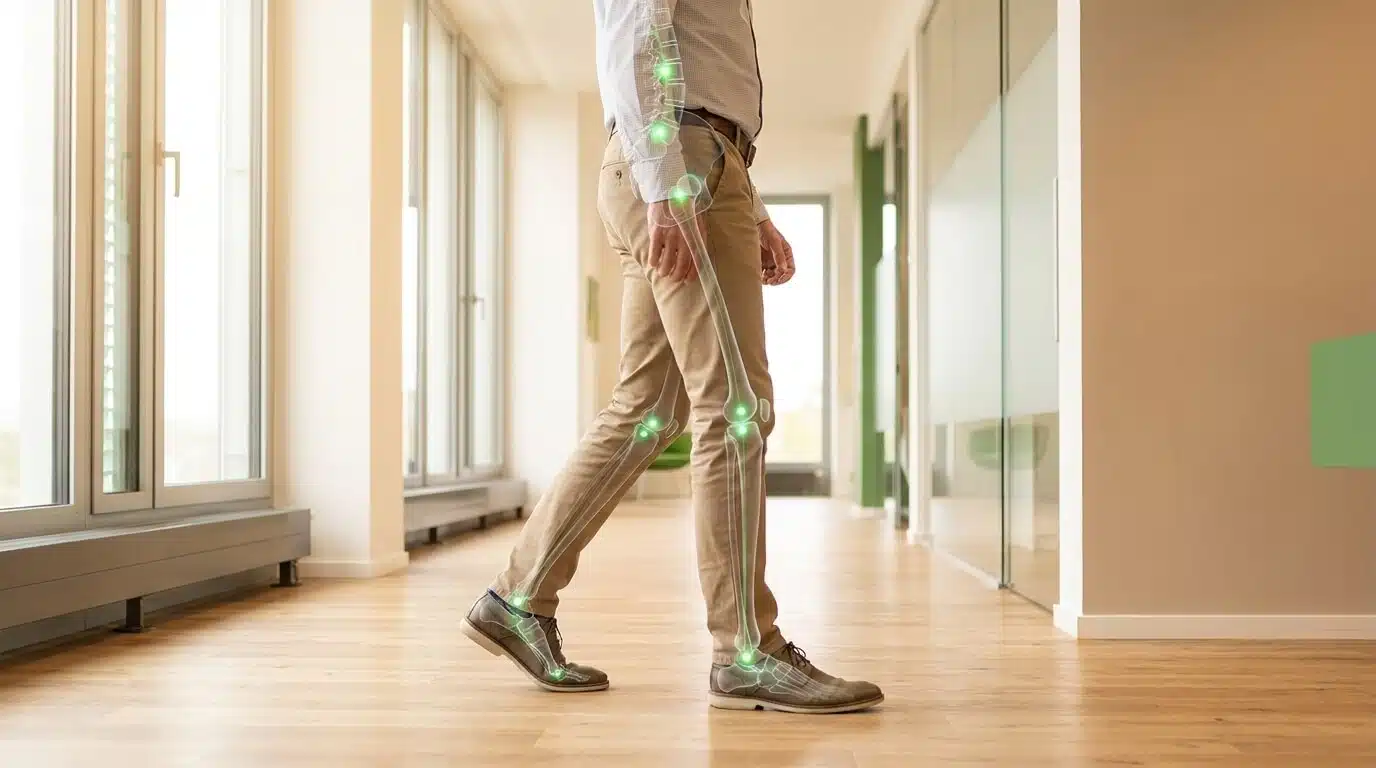
- Overloading of the knee joints due to altered load axes and compensatory movements
- Hip pain caused by asymmetrical force transmission and chronic, unnatural postural patterns
- Back pain resulting from impaired overall posture and a gait pattern that consumes more energy
> Warning signs you should never ignore:
> Morning heel pain when first stepping out of bed, persistent pressure points under the foot, visible changes in the toes or arch of the foot, as well as knee or back pain with no other apparent cause, are clear signs of developing structural misalignments that should be treated early on.
Proven strategies for healthy feet in everyday life
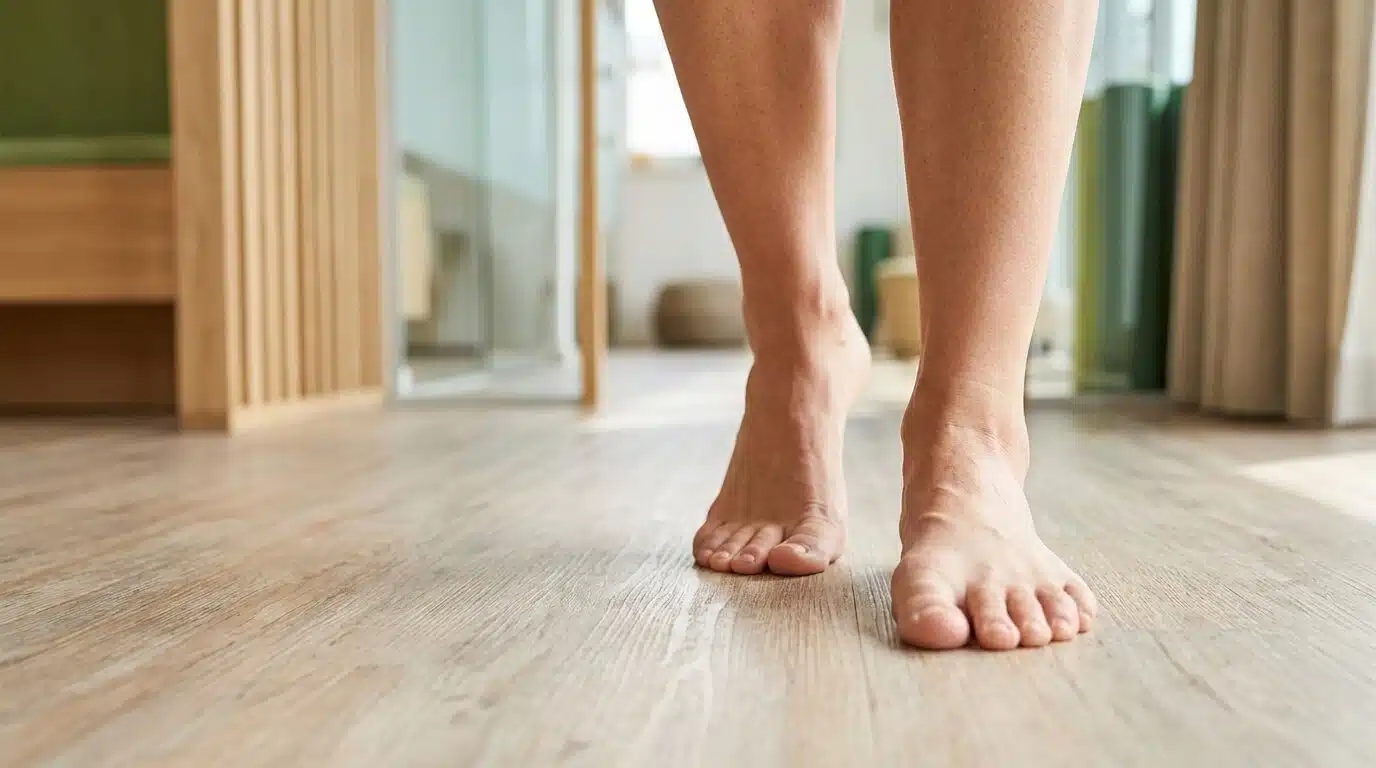
One of the most effective measures for foot health costs nothing, can be implemented immediately, and is often underestimated in terms of its effectiveness: walking barefoot regularly, mindfully, and consciously on a variety of natural surfaces. Direct, unfiltered skin contact with uneven ground results in intense neurological activation of the entire set of intrinsic foot muscles—which are often severely neglected and otherwise remain largely inactive in modern, tight-fitting shoes. At the same time, this primal, natural form of locomotion provides excellent dynamic training for the arch of the foot, allowing it to fully regain its elastic, protective shock-absorbing function.
Walking barefoot also trains proprioception, naturally improves body awareness, and mobilizes the toes and ligaments, which often remain in restricted positions when wearing closed shoes. To avoid unnecessary injuries, you should always start walking barefoot very slowly and carefully—ideally on safe surfaces at home or on soft grass at first—and increase the duration and intensity only gradually.
Three key training approaches for long-term foot health:
- Daily strengthening exercises for strong, resilient muscles that reliably support the transverse and longitudinal arches
- Gentle mobilization exercises to maintain full, natural joint flexibility and prevent painful stiffness
- Targeted stabilization exercises that improve neuromuscular coordination and promote safe, balanced standing and walking
In addition to regular training, carefully and thoughtfully selecting your footwear is an absolutely crucial factor. Whenever you buy shoes, be sure to pay attention to the following:
- A sufficiently wide, anatomically shaped toe box that provides enough space for the toes to spread out naturally in a fan-like pattern as the foot rolls forward
- A highly flexible, soft sole without an artificial, unnatural heel-to-toe drop, ensuring a physiologically correct foot position
- Minimal cushioning combined with adequate arch support tailored to individual needs
- Breathable materials that promote a healthy foot environment
Effective Foot Exercises for Everyday Life
Consistently incorporating targeted foot exercises into your normal daily routine requires only a minimal time commitment, but yields truly impressive and clearly noticeable health benefits in the long run. Just five to ten focused minutes a day are enough to achieve noticeable improvements. The key is consistency and the precise, highly focused execution of the respective exercise sequences—not the intensity of individual sessions.
Ideally, perform all exercises barefoot to achieve the maximum training effect for the intrinsic foot muscles:
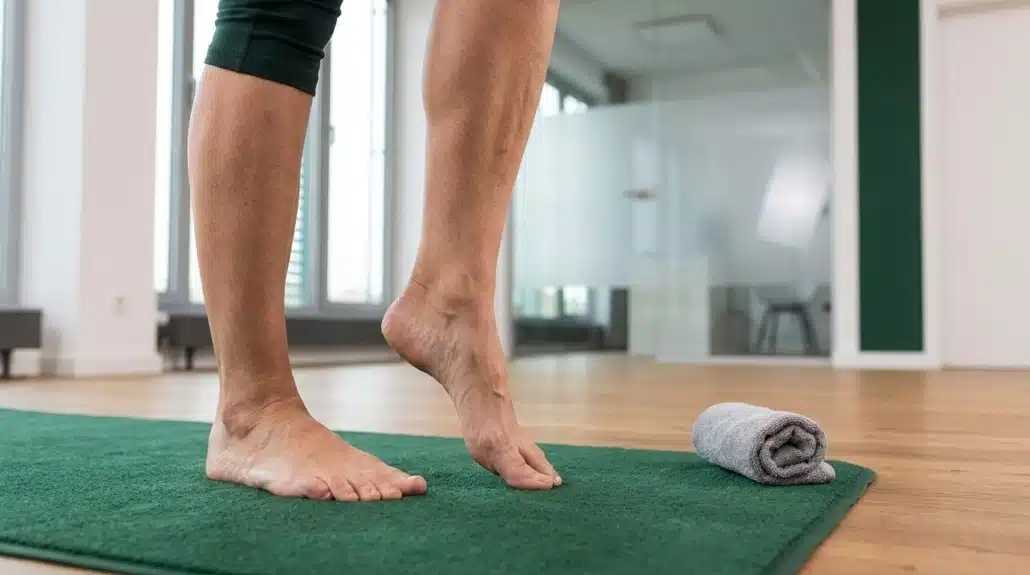
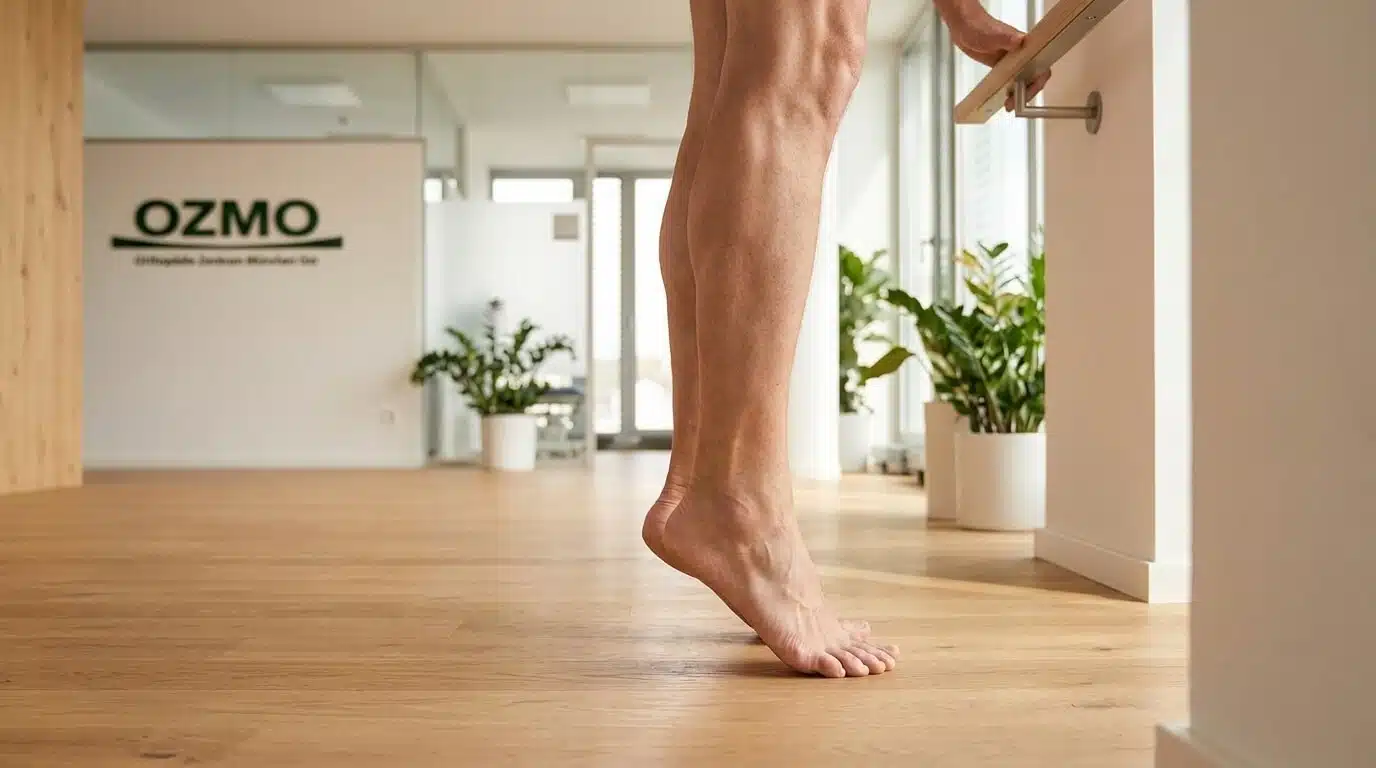
- Toe Raises – Calf Raises (2 × 15 repetitions): Slowly and in a controlled manner, rise onto your toes, hold briefly, then lower yourself just as controlled—strengthens the calves and the arch of the foot and improves the overall lower leg muscles. Ideal in the morning after getting out of bed.
- Heel Walking (short distances daily): Consciously walking on your heels for short distances specifically activates the anterior tibial muscles and promotes muscular balance.
- Toe Mobilization (1 minute daily): Actively spread each toe, hold the position firmly, and consciously relax—this exercise can be done while sitting, anywhere and at any time, and helps improve fine motor control.
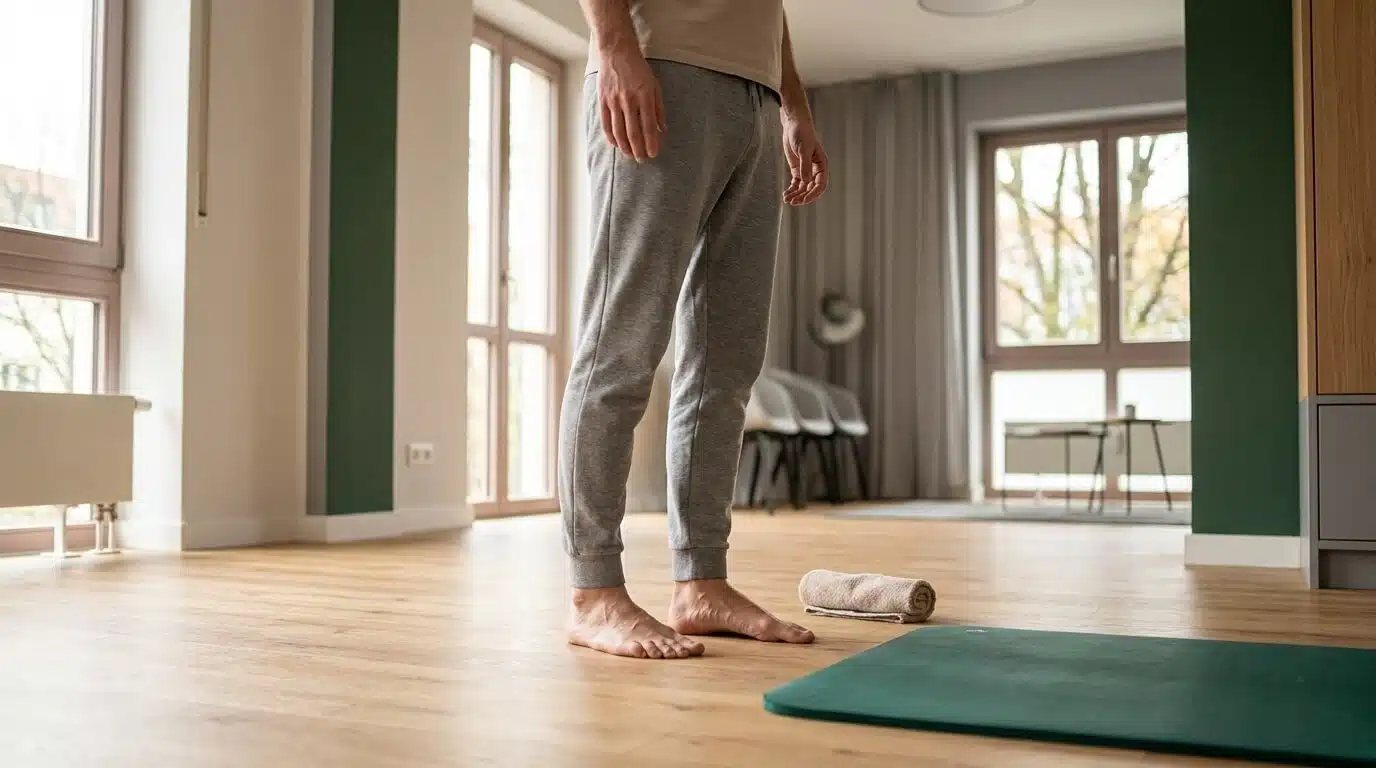
- Grab a towel (2 × 30 seconds per foot): Use your bare toes to push a small towel together on the floor and grab it—this provides an intense workout for fine motor skills and significantly improves your toes’ grip strength.
- Arch Activation – Short Foot Muscles (2 × 10 repetitions): While standing upright, actively lift and contract your foot arches without curling your toes—this specifically activates the deep, supportive muscle structures and directly strengthens the intrinsic muscles.
> Everyday tip: Incorporate toe mobilization while brushing your teeth, standing on your toes while waiting for the elevator, and arch activation during long periods of sitting at the office. Small actions with big, long-term effects.
When Professional Help Is Needed – Conservative Treatment Before Surgery
If preventive measures and self-care exercises are no longer enough to relieve persistent symptoms, it is high time to seek professional medical help. When it comes to persistent foot problems, there is a clear, medically sound principle: Conservative treatment always takes precedence.
In modern, evidence-based orthopedics, qualified physical therapy and specialized functional foot therapy are considered the undisputed first choice for gently and effectively restoring the foot’s natural biomechanics. Through targeted training of the foot muscles, manual techniques, and structured movement training, many misalignments can be corrected or at least significantly and permanently improved.
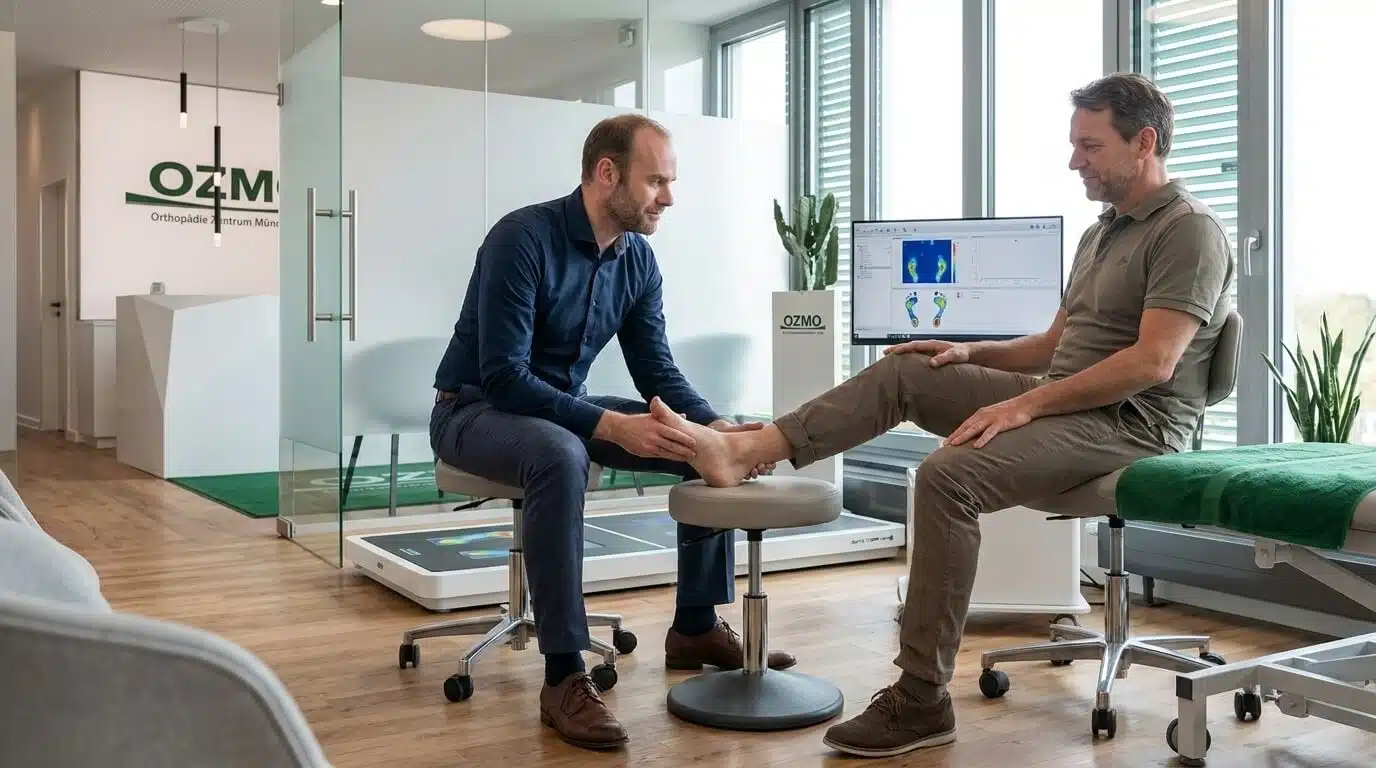
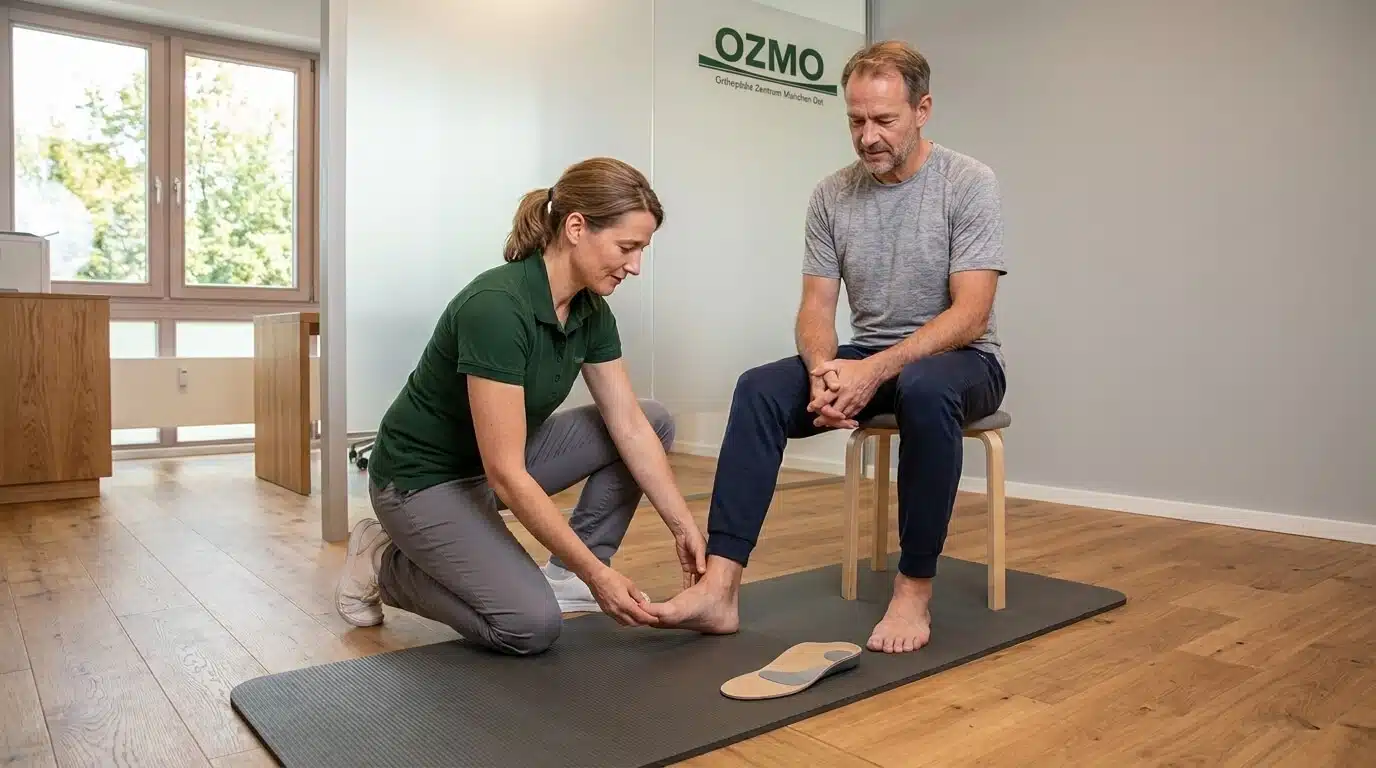
In addition, custom-made orthotics, combined with professional shoe fitting, provide immediate, noticeable mechanical relief for painful joint structures. The key to this is always an individualized orthopedic assessment based on a precise gait analysis and an accurate digital footprint—because a standard insole from a drugstore is no substitute for a custom-made, therapeutically effective solution. A personalized exercise program under constant expert guidance also reliably helps to correct muscular imbalances and actively halt or gradually reverse the progressive development of structural misalignments.
Surgery is only seriously considered when:
- Conservative measures have not resulted in sufficient improvement over a sufficiently long period of time
- Persistent, unbearable pain continues despite intensive, months-long conservative treatment
- A rapidly progressing, highly noticeable deformity that makes it impossible to wear regular shoes
- There is a significant, burdensome impairment of one’s quality of life in everyday life
In the field of forefoot surgery —particularly in the treatment of hallux valgus—state-of-the-art, minimally invasive techniques are now available that allow for gentle procedures with very rapid postoperative mobilization of patients. However, a reputable, experienced orthopedic center will always thoroughly and conscientiously explore all available non-invasive options before seriously considering surgical intervention.
> Treatment Philosophy: First, gain a comprehensive understanding; then, provide targeted treatment. A holistic orthopedic evaluation forms the essential foundation of any effective treatment—whether conservative or, as a last resort, surgical.
Frequently asked questions (FAQ)
How often should I do foot exercises?
Short daily sessions of five to ten minutes are significantly more effective than infrequent, longer workouts on the weekend. Through consistent, daily repetition of the movement sequences, the neuromuscular system learns much more quickly, and the supporting muscle structures adapt optimally to the new stimuli. The foot muscles respond particularly well to regular, moderate stimulation. It’s best to incorporate the exercises as a fixed, non-negotiable part of your morning routine, or to make targeted use of everyday situations—for example, doing toe exercises while brushing your teeth or activating your arches during your lunch break.
Are barefoot shoes really healthier?
Barefoot shoes can significantly support the foot’s natural function, as their wide toe box, minimal cushioning, and lack of a raised heel-to-toe drop perfectly simulate and promote the foot’s natural, unimpeded roll. However, a very slow, gradual adjustment over several weeks is absolutely essential to avoid immediately and painfully overloading the tendons and muscles that have been untrained for years. Anyone who has worn conventional shoes for years must give their foot muscles sufficient time to fully adapt. Individual factors, such as existing foot misalignments, should always be taken into account and, if in doubt, discussed with an orthopedist.
When should I see an orthopedist for foot pain?
Seek professional advice if foot pain persists for more than two to three weeks, worsens despite rest and self-care measures, or if visible changes occur in the foot. A prompt visit to a specialist is strongly recommended in the event of a sudden, progressive worsening of pain symptoms, severe swelling, or newly occurring, visible misalignments of the toes. Symptoms that significantly interfere with your daily life, athletic activities, or sleep are also a clear indication that an orthopedic evaluation is necessary. In most cases, an early, professional diagnosis prevents the condition from becoming chronic and allows for a quick and successful start to treatment.
Can insoles make foot problems worse?
Poorly fitted or unsuitable standard insoles can actually significantly exacerbate existing biomechanical problems and cause entirely new, painful strain throughout the body – partly because they passively relieve the foot muscles rather than actively engaging and strengthening them. Professionally manufactured, custom-fitted orthopaedic insoles, on the other hand, which are produced by an experienced orthopaedic shoemaker based on a precise gait analysis and an exact digital footprint, provide targeted biomechanical support and effectively complement active training. Only professionally manufactured custom insoles support the foot exactly where it actually needs it for healthy posture and pain-free movement.
> Important health advice: If you have diabetes mellitus or severe circulatory problems, please always consult your doctor before starting any new foot exercises or wearing barefoot shoes, in order to rule out any individual risks.

Conclusion – Invest in your foot health today
Healthy feet are not something to be taken for granted – they are the result of conscious, daily care and regular attention to one of the most heavily used yet most frequently neglected parts of our body. The key takeaway from this article is that prevention is the best and most effective way to protect against painful foot problems and lengthy orthopaedic treatments.
If you listen to your body’s signals at an early stage, choose suitable footwear, exercise your foot muscles regularly and walk barefoot regularly, you will lay the crucial foundation for an active, pain-free life. So don’t wait until complex hallux valgus treatment or surgery becomes unavoidable – take active responsibility for your foot health today, and thereby for your overall mobility and quality of life.
You don’t have to wait for a diagnosis to take action. Start today: take off your shoes, feel the ground beneath your feet and take your first conscious steps towards long-term foot health. If your symptoms persist, expert, specialist orthopaedic support is available – because your mobility and quality of life are worth professional care.
> Your action tip for today: Start with five minutes of targeted foot exercises in the morning, walk barefoot whenever possible and safe to do so, and check your current footwear to ensure there is enough room for your toes and that the sole is flexible. Take off your shoes and socks right now for five minutes – and consciously feel the direct contact with the ground beneath your feet. Small, consistent steps with a significant, long-term impact on your health.

Part of Ortivity Network