
Knee osteoarthritis, medically known as gonarthrosis, is one of the most common joint diseases in Germany – the risk rises significantly with age. This degenerative condition often develops gradually over years and, through the progressive wear of the cartilage layer in the knee joint, leads to pain and restricted movement that can considerably affect quality of life.
Early detection and treatment play a decisive role in the success of therapy. The earlier knee osteoarthritis is diagnosed, the greater the chances of successful joint-preserving treatment. At our orthopaedic center in Munich we understand that every patient has individual needs and deserves tailored treatment. That is why we want to give you a comprehensive overview of modern diagnostic methods and the many treatment options – from proven conservative therapies to innovative surgical procedures.
This guide provides well-founded information so that you can interpret the first warning signs correctly and know which steps you can take to improve your quality of life in the long term. Our goal is for you to feel well informed and confident when deciding on the right treatment.
At a glance
The key points in brief
- Knee osteoarthritis is wear of the joint cartilage – start-up pain and morning stiffness are typical early signs.
- The earlier the diagnosis, the more joint-preserving options there are.
- Exercise and weight control are the most important pillars of treatment.
- Injections such as hyaluronic acid or autologous blood (PRP) can complement treatment.
- An artificial knee joint only becomes an option once conservative measures have been exhausted.
Table of contents:
- Understanding knee osteoarthritis – causes and development of cartilage wear
- Recognizing symptoms early – warning signs of knee osteoarthritis
- Modern diagnostic methods – certainty through targeted examinations
- Conservative treatment options – joint-preserving approaches
- When is surgery necessary? – indications for surgical procedures
- Prevention and lifestyle adjustments – prevention is the best medicine
- Frequently asked questions (FAQ)
- Conclusion – your knee health is in good hands
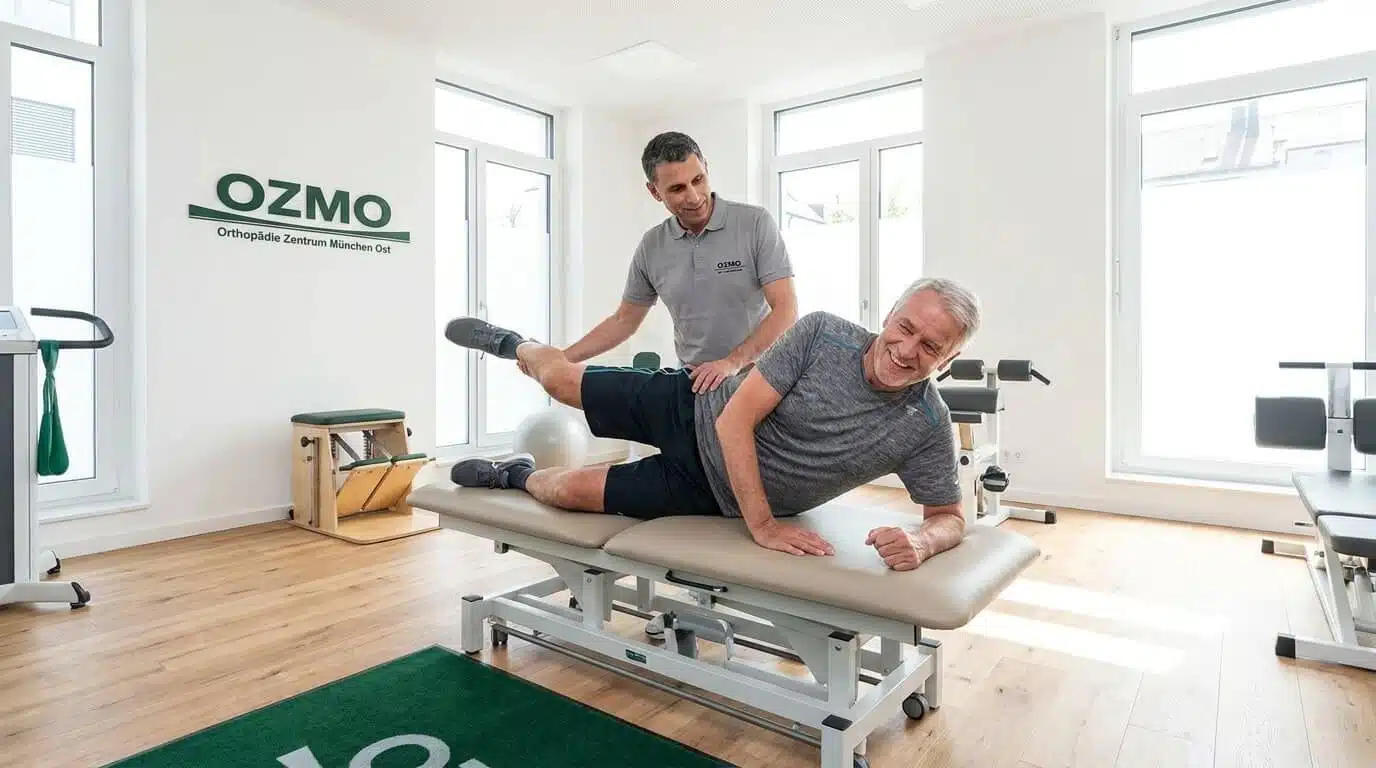
Understanding knee osteoarthritis – causes and development of cartilage wear
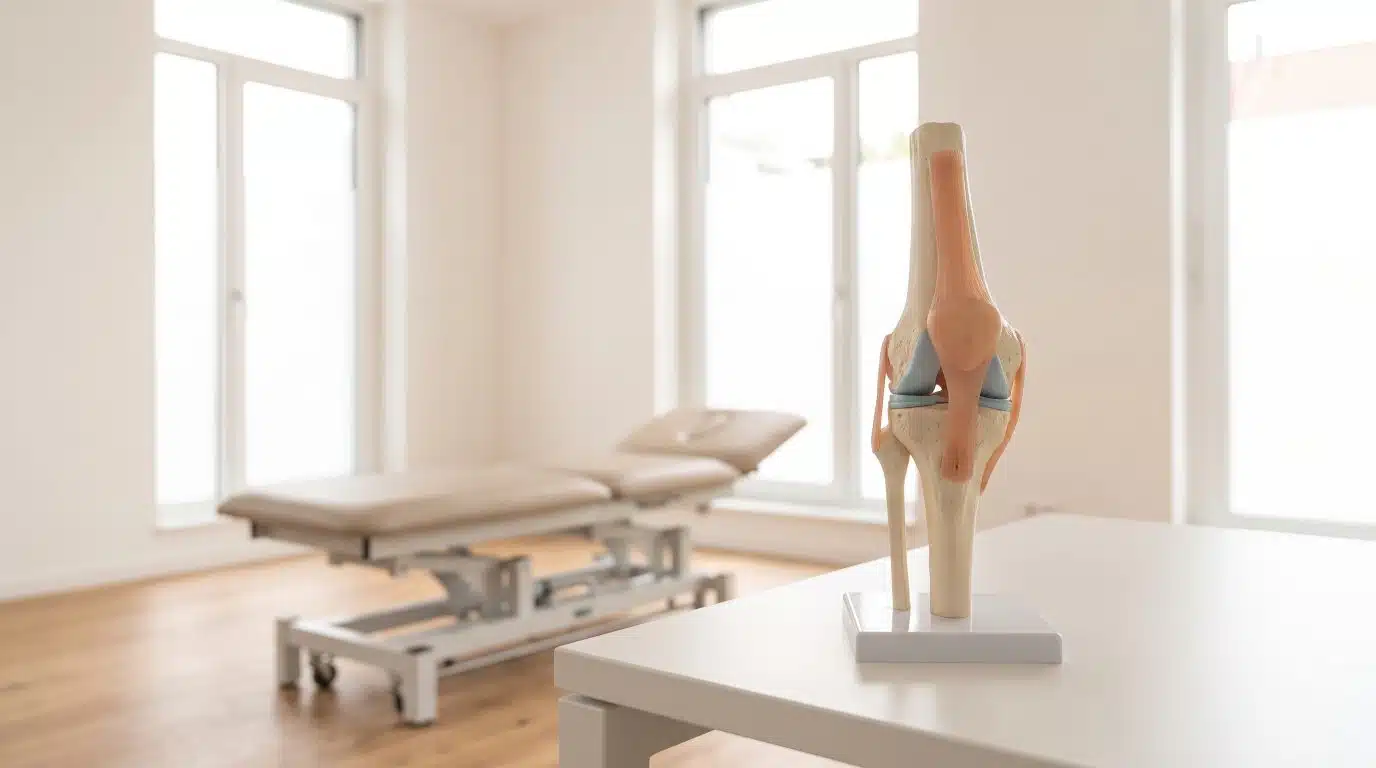
Knee osteoarthritis is the wear of the cartilage layer between the joint surfaces of the thigh bone, shin bone and kneecap. Joint cartilage performs a central function as a shock absorber and gliding surface – it is so uniquely smooth that even the friction between two blocks of ice is considerably higher. This exceptional property allows the knee to cope effortlessly with loads of several hundred kilograms.
The development of knee osteoarthritis is a complex process that affects the entire joint, including bones, ligaments and joint capsule. The main causes are being overweight, injuries and malalignment. Being overweight clearly increases the risk of osteoarthritis and can mean that a joint replacement becomes necessary earlier – because with every step the knee bears a multiple of body weight.
Accidents and trauma such as cruciate ligament tears, meniscus damage or bone fractures change the natural load distribution in the knee and promote cartilage breakdown. Congenital or acquired axis malalignments also lead to one-sided overloading of certain parts of the joint. The decisive difference lies between age-related and pathological wear – while a certain amount of cartilage wear is part of the natural aging process, osteoarthritis only needs treatment when the “joint age” is considerably higher than the biological age.
Important risk factors for knee osteoarthritis
- Being overweight (BMI over 30)
- Previous knee injuries
- Leg malalignment (knock knees, bow legs)
- Genetic predisposition
- Occupational or sports overload
- Metabolic diseases such as gout or rheumatoid arthritis
The different forms of knee osteoarthritis
Knee osteoarthritis can affect different areas of the joint, which leads to different symptoms and targeted treatment approaches. Depending on the location of the damage, gonarthrosis is divided into specific forms, with the joint between thigh and shin bone most commonly affected and mixed forms often occurring. This precise distinction is decisive for choosing the best treatment and often makes joint-preserving treatments possible.
Medial gonarthrosis on the inner side of the knee occurs particularly often with bow-leg malalignment and typically causes pain on the inside of the knee. The lateral form affects the outer side and is characteristic of knock knees. Here the symptoms concentrate on the outer joint space. Retropatellar osteoarthritis affects the joint between the kneecap and the thigh bone and causes pain above all when climbing stairs, squatting or after long periods of sitting.
In pangonarthrosis all areas of the knee joint are damaged – this is usually the final stage of advanced osteoarthritis. This comprehensive form of joint destruction causes the most severe symptoms and restricts mobility the most. Even here, however, there are modern treatment options that allow a marked improvement in quality of life.
Recognizing symptoms early – warning signs of knee osteoarthritis
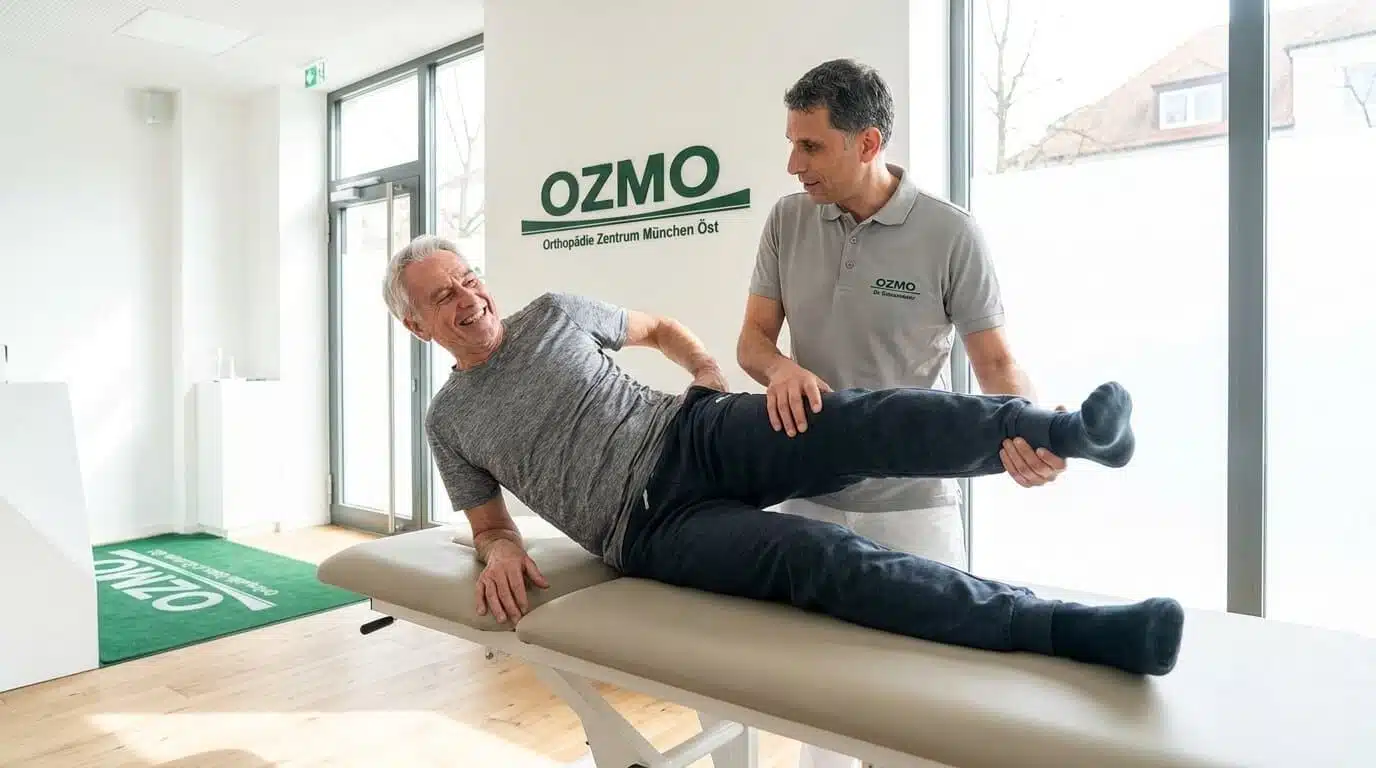
Start-up pain and morning stiffness are often the first warning signs of beginning knee osteoarthritis and are unfortunately frequently ignored or dismissed as a normal sign of aging. The knee feels “rusty” after periods of rest and needs a warm-up phase before it becomes more mobile again. These characteristic symptoms typically occur after getting up or after long periods of sitting and are a clear sign that the joint is already showing signs of wear.
The course of pain follows a typical pattern that we observe again and again in our daily practice: at first, symptoms only occur under heavier strain such as hiking, jogging or climbing stairs. As wear progresses, constant pain develops even during everyday activities, and the distance you can walk without pain keeps getting shorter. In later stages, pain at rest and finally night pain occur, which can disturb sleep and often point to an inflammatory activation of the osteoarthritis.
Specific trigger situations are characteristic of the different forms of knee osteoarthritis. In the medial form, walking on uneven ground is particularly painful; in retropatellar osteoarthritis, climbing stairs and getting up from a squat are especially painful. Other characteristic symptoms are crepitus (cracking and grinding noises) when bending and straightening the knee, recurring swelling due to joint effusions and increasing restriction of movement.
Key warning symptoms of knee osteoarthritis
- Start-up pain after periods of rest
- Pain on exertion during physical activity
- Increasing pain at rest
- Night-time symptoms
- Crepitus when moving
- Swelling and warmth
- Feeling of instability
- Restricted movement in everyday life
Course and stages of knee osteoarthritis
Internationally, knee osteoarthritis is classified according to the four-stage Outerbridge system, which describes the extent of cartilage damage precisely. This classification is decisive for choosing the right treatment strategy and is typically visible during a joint endoscopy (arthroscopy), but can also be determined by modern MRI methods.
1Stage 1Early stage
Superficial fraying, the cartilage becomes softer – usually still without symptoms.
2Stage 2Beginning osteoarthritis
First cracks and a rough cartilage surface, not yet down to the bone – often only mild symptoms.
3Stage 3Advanced
Deep cracks down to the bone surface – marked pain on exertion.
4Stage 4Final stage
Complete cartilage loss (“bare bone”) – severe pain, restricted movement, often inflammation.
mildsevere
The good news: In many patients the symptoms remain stable for years. This shows that knee osteoarthritis does not necessarily have to progress and can often be successfully controlled with the right treatment.
Modern diagnostic methods – certainty through targeted examinations
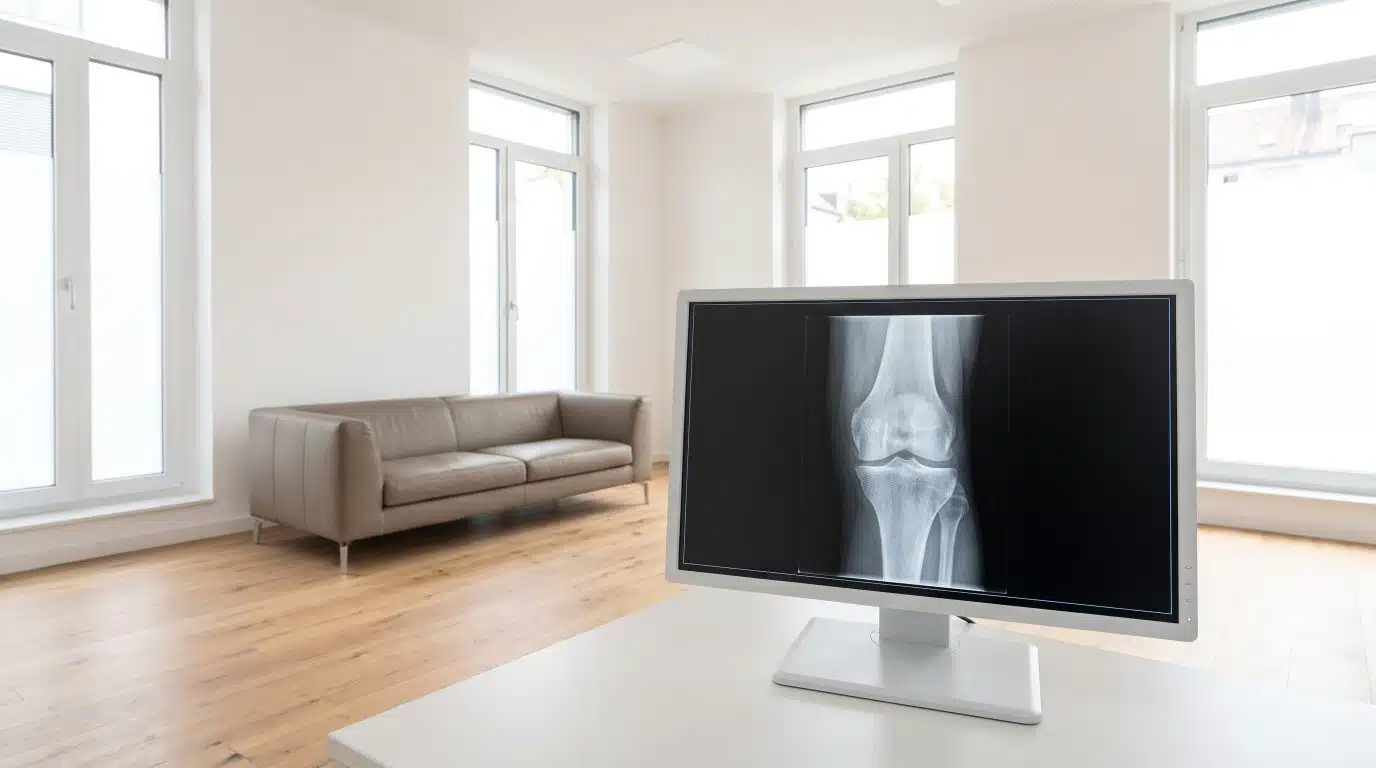
The diagnosis of knee osteoarthritis is based primarily on clinical examination and medical history – a principle we follow consistently in our orthopaedic center. An experienced orthopaedist can often make a reliable diagnosis from a detailed conversation with the patient and the physical examination alone. Not only the current symptoms are asked about, but also previous illnesses, living circumstances, sporting activities and occupational strain are recorded.
During the clinical examination the doctor systematically checks the joint’s range of motion, tests the stability of the ligaments, palpates the knee for swelling or pressure points and analyzes the gait and leg axis. This clinical assessment is of central importance, because treatment is guided primarily by the patient’s symptoms and not by imaging results alone.
The X-ray is the standard in osteoarthritis diagnostics and is ideally taken standing, i.e. under load. Characteristic signs are narrowing of the joint space, bone densification (sclerosis) and bone spurs (osteophytes). A weight-bearing image is important because without load, cartilage damage often remains invisible and can lead to misjudgments.
Magnetic resonance imaging (MRI) complements diagnostics in more complex cases and shows soft-tissue structures such as menisci, ligaments and cartilage in detail. It can reveal early cartilage damage and bone marrow edema before they are visible on X-ray. Ultrasound is particularly suited to showing joint effusions and inflammation of the joint lining (synovitis), as occur in activated osteoarthritis.
Important diagnostic methods
- Detailed medical history and clinical examination
- X-ray, ideally under load
- MRI in complex cases and for treatment planning
- Ultrasound for diagnosing inflammation
- Differential diagnosis against other knee conditions
- Blood tests if needed to rule out other causes
Orthopaedic Center Munich East
Have your knee pain assessed by a specialist
We examine your knee thoroughly and discuss all treatment options with you – from conservative to surgical.
Conservative treatment options – joint-preserving approaches
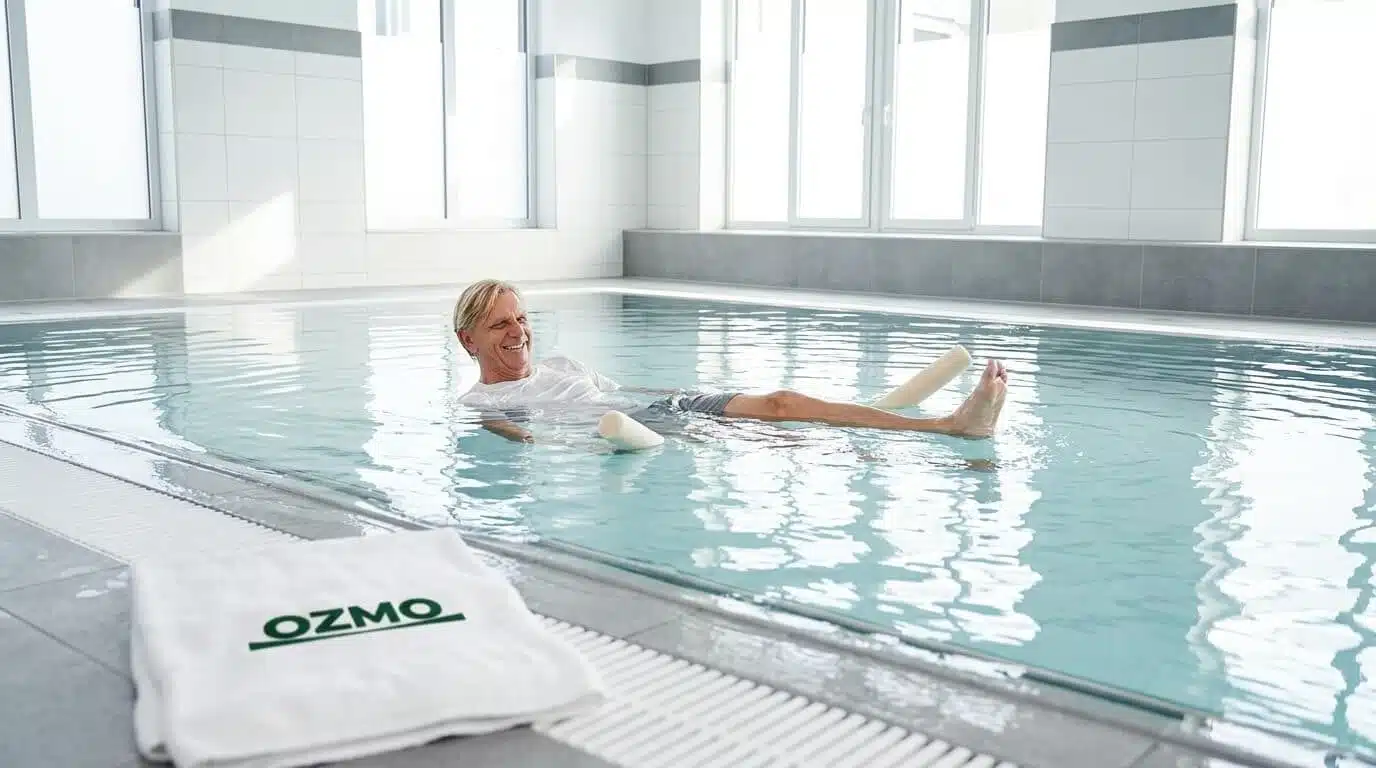
Conservative treatment forms the foundation of modern knee osteoarthritis care and follows a structured pyramid scheme, which we also follow at OZMO. At the base are exercise and weight control as the most important pillars of treatment – these two factors often have a greater influence on treatment success than all other measures combined.
Exercise as core therapy is essential for cartilage nutrition and counters the widespread misconception that resting helps in osteoarthritis. Joints need movement like a sponge that releases waste products under load and absorbs new nutrients when the load is relieved. Recommended sports are cycling, swimming and Nordic walking, as they are gentle on the joints while strengthening the muscles that stabilize them.
Weight loss shows an impressive effect even with small successes: even 5 kilograms less in a patient weighing 100 kilograms can bring a noticeable improvement, since with every step the knee bears a multiple of body weight. The mechanical relief reduces not only the load on the joint but also the pro-inflammatory metabolic processes that are heightened in overweight people.
Physiotherapy and muscle strengthening stabilize the knee joint and improve movement coordination. Well-trained thigh muscles act like natural joint protection and can compensate for incorrect loading. Targeted exercises for stretching and improving coordination round off the range of treatment.
Good to know: Joint cartilage works like a sponge – it absorbs nutrients when loaded and unloaded. Complete rest therefore harms the knee more than it helps.
Proven conservative treatment components
- Regular, joint-friendly exercise (cycling, swimming, Nordic walking)
- Weight control and anti-inflammatory diet
- Physiotherapy for targeted muscle strengthening
- Pain therapy with NSAIDs as needed
- Physical therapy (TENS, heat and cold applications)
- Acupuncture as supplementary pain therapy
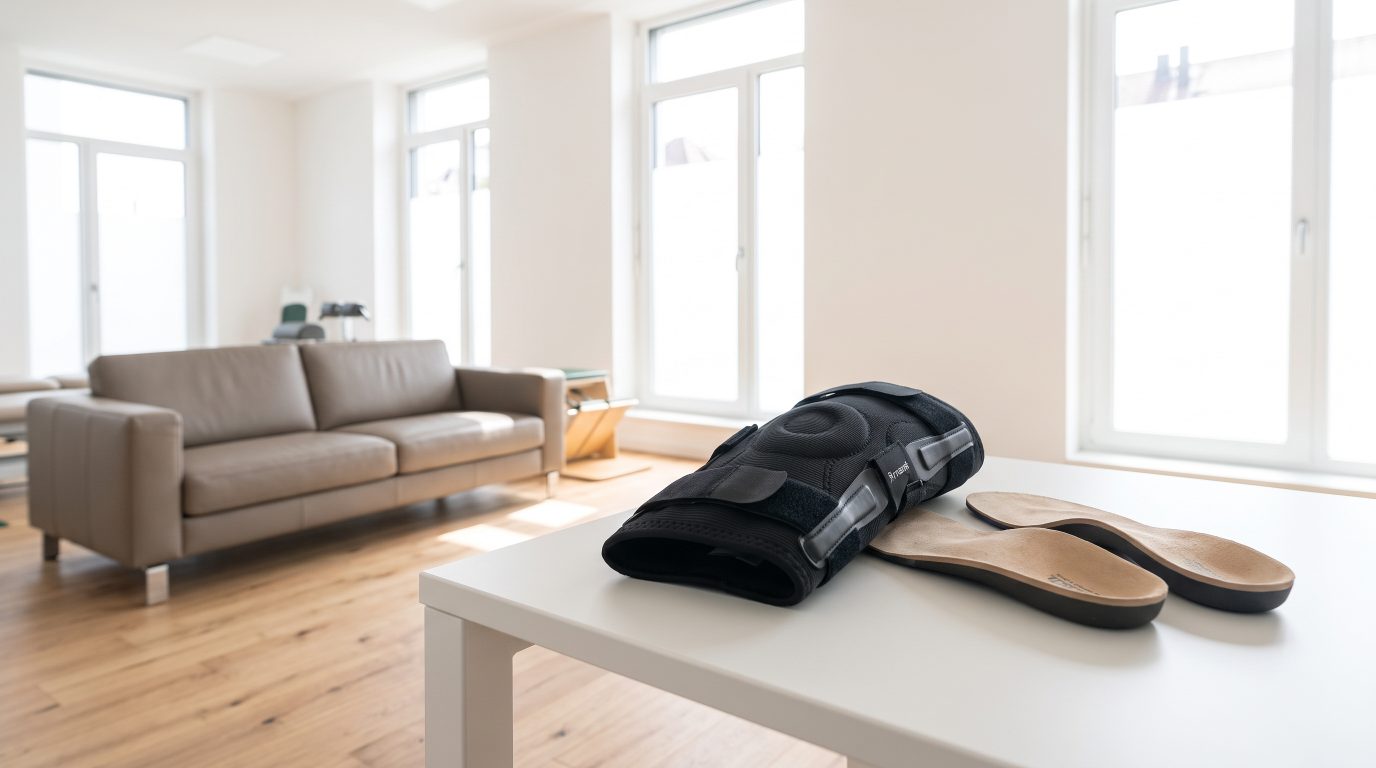
- Aids such as orthopaedic insoles or braces
- Injection therapies, e.g. with hyaluronic acid, in selected cases
Innovative minimally invasive procedures
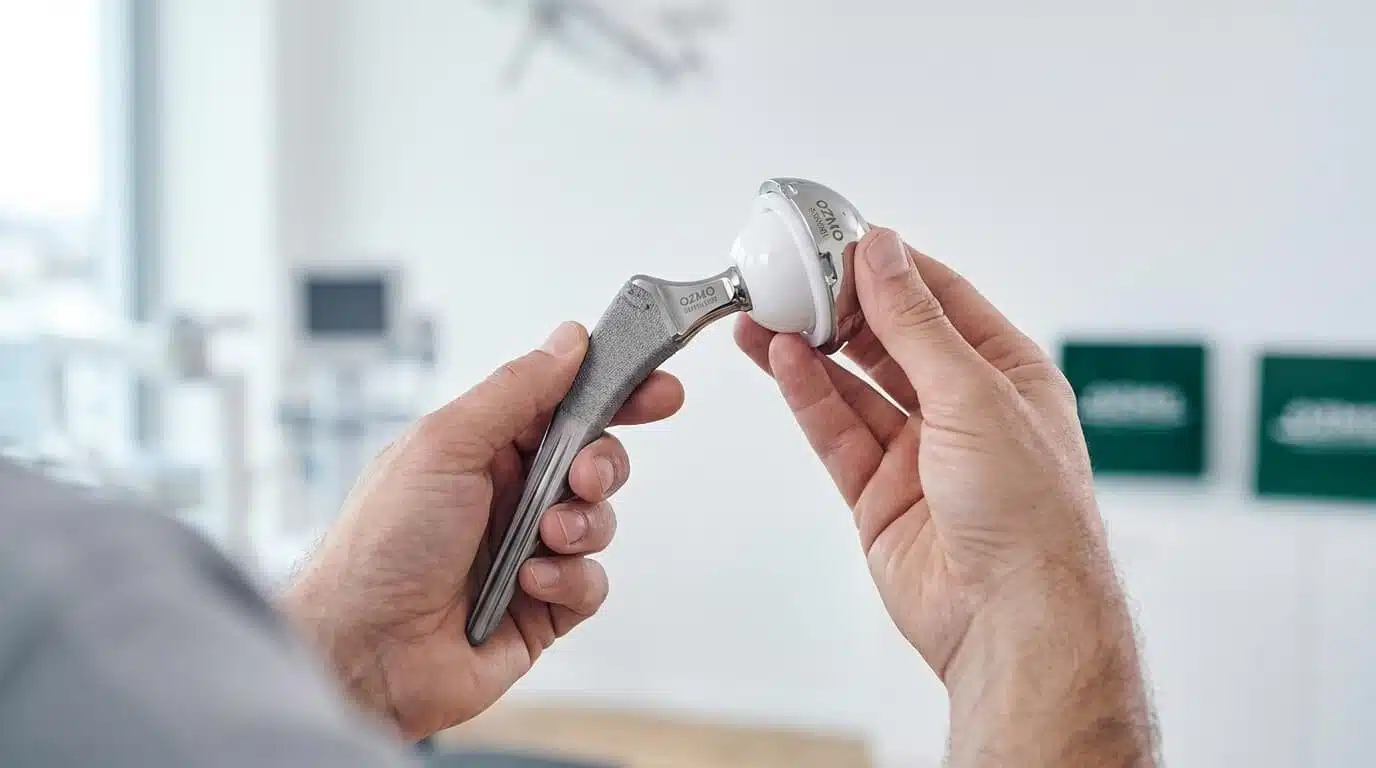
Modern orthopaedics offers innovative treatment approaches for joint-preserving care, of which at OZMO we offer, among others, autologous blood therapy (PRP), hyaluronic acid therapy and arthroscopic cartilage cell transplantation. These procedures are particularly valuable in the transition phase between exhausted conservative treatment and a joint replacement that is not yet necessary. They aim to preserve natural joint mechanics as far as possible and to delay the time of a complete joint replacement.
Autologous blood therapy (PRP – platelet-rich plasma) uses the body’s own growth factors and can relieve pain, above all in early stages of osteoarthritis. In this procedure a concentrate that is particularly rich in growth factors is obtained from the patient’s blood. It is injected directly into the knee joint and is intended to have an anti-inflammatory effect. However, PRP cannot rebuild lost cartilage.
Cartilage transplantation and cartilage cell culture make it possible to repair local cartilage defects. In autologous chondrocyte transplantation (ACT), the patient’s own cartilage cells are taken, multiplied in the laboratory and then re-implanted in a second procedure to form new cartilage tissue. It is mainly an option for younger patients with circumscribed cartilage defects – not in advanced osteoarthritis.
Modern partial prostheses as a joint-preserving option can retain healthy joint tissue when osteoarthritis is limited to certain areas. If only part of the knee joint is affected by osteoarthritis, a so-called sled prosthesis (unicompartmental knee replacement) can be implanted. This spares the healthy parts of the joint and the body’s own ligaments, which allows more natural mobility.
Innovative minimally invasive procedures at a glance
- PRP therapy to stimulate cartilage regeneration
- Autologous cartilage transplantation for localized defects
- Microfracture for smaller cartilage damage
- Joint-preserving partial prostheses (sled prostheses)
- Hyaluronic acid injections to relieve the joint
- Realignment osteotomy to correct the axis
When is surgery necessary? – indications for surgical procedures
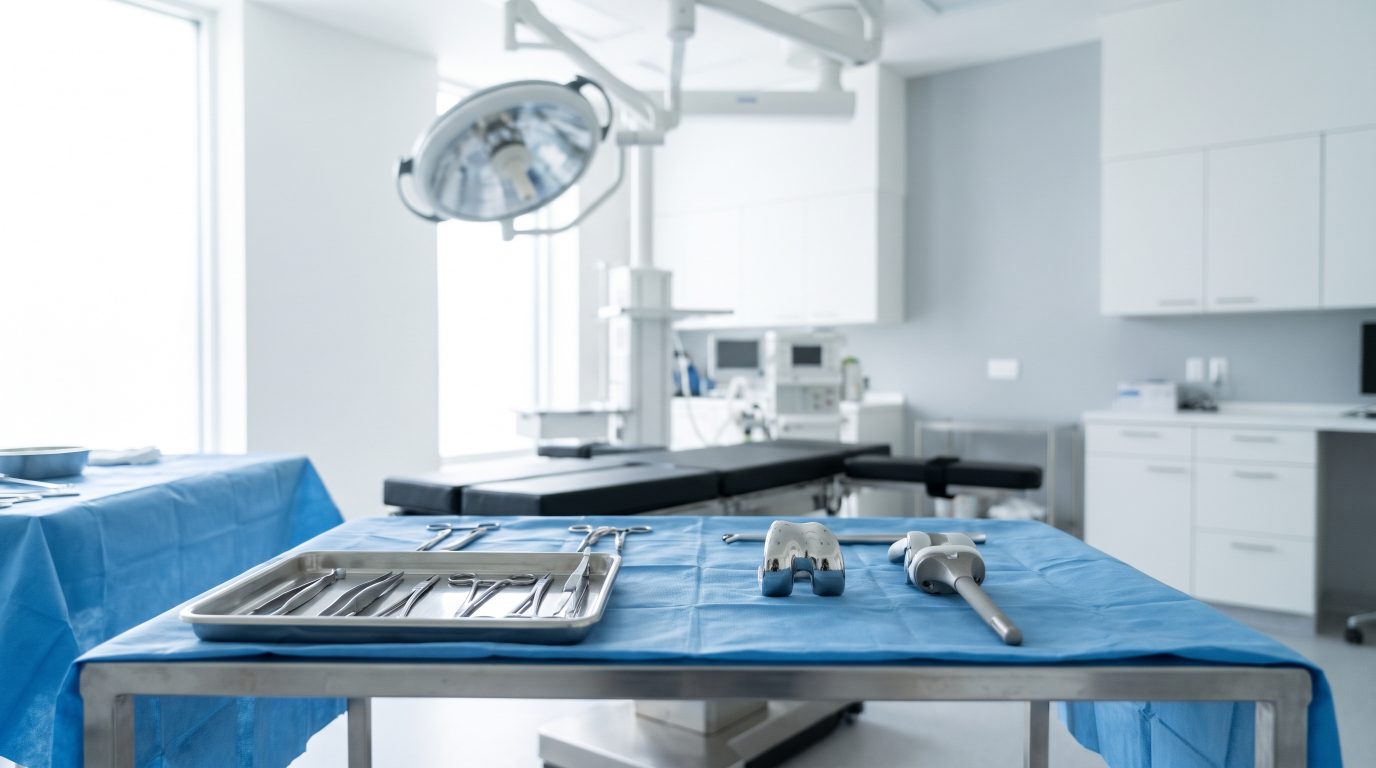
The limits of conservative treatment are reached when persistent pain, increasing restrictions of movement and a considerable loss of quality of life remain despite consistently applied non-surgical measures. In our orthopaedic center we take sufficient time for this important decision and always take into account our patients’ individual circumstances, activity level and personal goals.
Realignment osteotomy for axis malalignment can restore the natural load lines in the knee and is a valuable option, especially in younger patients. By surgically correcting knock knees or bow legs, the weight distribution is normalized and further cartilage wear is slowed. This procedure can delay the point at which a prosthesis is needed by many years.
Partial versus total prostheses: Where possible, partial prostheses are a good option, as they preserve the natural ligament structures and joint functions. They come into question when only one compartment of the knee is affected and the remaining parts of the joint are still healthy. Modern knee endoprostheses last 15–20 years and allow pain-free mobility again with high patient satisfaction.
The decision for surgery should be made individually, taking into account the patient’s age, activity level and level of suffering. Realistic expectations are important: a prosthesis does not completely replace the natural joint, but can bring considerable pain relief and improved movement. Most patients can return to joint-friendly sports such as cycling or swimming.
Surgical treatment options
- Arthroscopic procedures for specific indications
- Realignment osteotomy to correct the axis
- Partial prostheses (sled prostheses) for localized osteoarthritis
- Total knee replacement for advanced pangonarthrosis
- Second opinion before a planned joint replacement
Prevention and lifestyle adjustments – prevention is the best medicine

Even though existing knee osteoarthritis cannot be cured, conscious adjustments in everyday life and a targeted lifestyle can do a lot to slow its course, reduce pain and preserve joint function in the long term. From our many years of experience we know that patients who actively take part in their treatment achieve the best long-term results.
Practical everyday tips for knee-friendly behavior have proven particularly worthwhile in practice and can noticeably slow the progression of knee osteoarthritis. These recommendations are based on biomechanical findings and our experience from daily practice.
Walking uphill rather than downhill – going up strengthens the thigh muscles, while going down puts higher impact loads on the joint. If you cannot avoid walking downhill, use walking poles for relief. Correct stair-climbing technique: “Up with the good, down with the bad” – going up, lead with the healthy leg; going down, lead with the affected leg.
Avoiding work in a squatting position is essential, as this position puts extreme strain on the knee joint. Use a stool instead, kneel on a cushion or use aids with long handles. Changing position regularly when sitting for longer prevents joint stiffness – get up at least every 30 minutes and move your legs.
Rule of thumb for the stairs: “Up with the good, down with the bad.” When going up, put the healthy leg first; when going down, the affected one.
Knee-friendly everyday tips
- Walk uphill, go downhill with support
- Use the correct stair technique
- Avoid squatting and kneeling
- Take regular movement breaks
- Suitable footwear with good cushioning
- Weight control as the most effective preventive measure
- Prefer joint-friendly sports
- Follow an anti-inflammatory diet
An anti-inflammatory diet plays an important role in osteoarthritis management. Omega-3 fatty acids from sea fish have an anti-inflammatory effect, while arachidonic acid from red meat can promote inflammation. Sufficient antioxidants from fruit and vegetables and avoiding sugar and highly processed foods can reduce inflammatory processes in the body.
Orthopaedic Center Munich East
Your appointment at OZMO
Do you have knee pain, or have you already been advised to have surgery? Make an appointment – a second opinion is also possible on request.
Frequently asked questions (FAQ)
Can knee osteoarthritis be detected in the blood?
No, there are no specific blood values that can directly prove knee osteoarthritis. The diagnosis is made by combining a detailed conversation with the patient, a physical examination and imaging methods such as X-ray or MRI. Blood tests are, however, important for ruling out inflammatory joint diseases such as rheumatoid arthritis or gout as the cause of the symptoms, as these can come with elevated inflammation markers. In our orthopaedic center we carry out this differential diagnosis routinely to make sure the right diagnosis is made.
What does beginning osteoarthritis feel like?
Typical early symptoms are start-up pain after periods of rest and morning stiffness, which often appear as the first warning signs. The knee feels “rusty” after getting up or sitting for a long time and becomes more supple again after a few minutes of movement. These characteristic symptoms are often dismissed as a normal sign of aging, but are important indications of beginning cartilage changes. Pain on exertion when walking for longer, climbing stairs or after sporting activity usually follows in later stages. Grinding noises when moving the knee or a feeling of instability can also be early signs.
What should you not do with knee osteoarthritis?
Avoid high-risk sports with abrupt changes of direction and high impact loads such as tennis, soccer, squash or jogging on hard surfaces. These activities can accelerate cartilage wear. Working in a squatting position for long periods, kneeling activities and sitting for long periods without changing position should also be avoided. Being overweight and a pro-inflammatory diet with lots of red meat, sugar and processed foods have a negative effect. Important: complete rest is also harmful, as movement is essential for cartilage nutrition. The right amount of joint-friendly activity is decisive.
When is an artificial knee joint necessary?
A knee prosthesis is considered in stage 4 osteoarthritis with complete cartilage destruction (“bare bone”) when all conservative treatment measures have been exhausted and there is a considerable impairment of quality of life. The decisive criteria are persistent pain, including at night, a massive restriction of walking distance and a high subjective level of suffering. The decision should be made individually according to age, activity level and personal goals. In our orthopaedic center we take sufficient time for this important decision and first check whether joint-preserving alternatives are an option. On request you can also get a second opinion from us on a planned joint replacement.
Conclusion – your knee health is in good hands
Early detection of knee osteoarthritis opens up a wide range of treatment options today that were unthinkable only a few years ago. The treatment of knee osteoarthritis has developed considerably in recent years. From proven conservative approaches through innovative minimally invasive procedures to modern joint replacement – treatment can now be tailored individually to every patient.
The success of therapy depends largely on timely diagnosis and a consistent, step-by-step treatment approach. Modern joint-preserving procedures can in many cases avoid a prosthesis or at least delay it considerably. It is particularly important to us that you as a patient are actively involved in the treatment process and understand which options are open to you.
At the first signs of suspicion such as start-up pain, morning stiffness or symptoms that depend on exertion, you should not hesitate to see a knee specialist. The earlier a sound diagnosis is made, the more treatment options are available. In our orthopaedic center we take the time for a detailed examination and consultation so that you can make the best decision for you.
The combination of specialist expertise and taking personal responsibility through weight control, regular joint-friendly exercise and a healthy lifestyle offers the best chances for a long, symptom-free knee joint. Do not let the diagnosis of knee osteoarthritis discourage you – with the right treatment and your active participation you can continue to lead an active, fulfilling life.
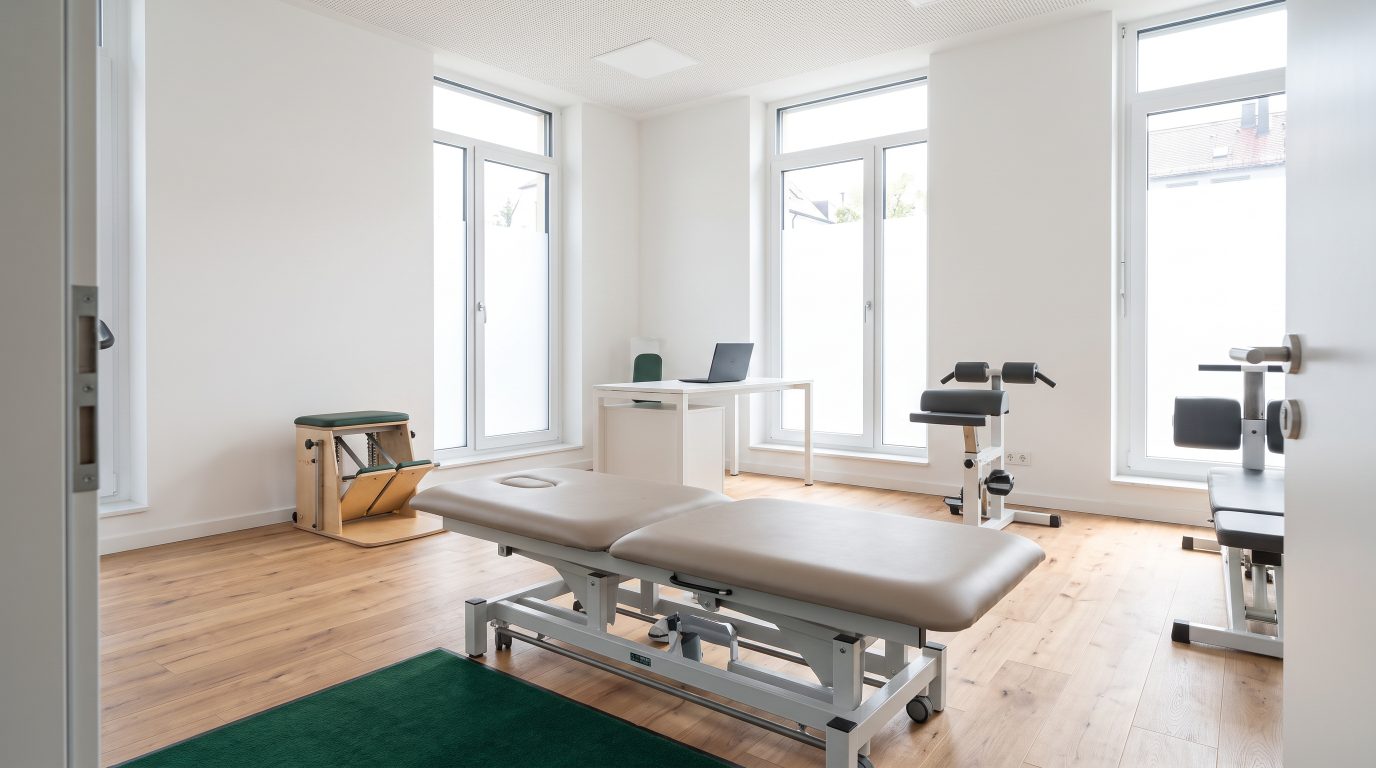

Tailored diagnostics and treatment – at three locations in the east of Munich. For all insured and private patients.
Memberships & partners



Part of the Ortivity Network · Association doctors of the German Ice Hockey Federation
Clinic Munich
Haar
Münchener Straße 14
85540 Haar
+49 (0) 89 4141 434 – 64
Fax +49 (0) 89 45 45 49 – 39
Opening hours
| Morning | Afternoon | |
|---|---|---|
| Mon | 08:30 – 12:00 | 14:00 – 18:00 |
| Tue | 08:30 – 12:00 | – |
| Wed | 08:30 – 13:00 | – |
| Thu | 08:30 – 12:00 | 14:00 – 18:00 |
| Fri | 08:30 – 12:00 | – |
Appointments by arrangement only
Clinic Munich
Bogenhausen
Denninger Straße 15
81679 Munich
+49 (0) 89 4141 434 – 64
Fax +49 (0) 89 45 45 49 – 39
Opening hours
| Morning | Afternoon | |
|---|---|---|
| Mon | 08:30 – 12:00 | 14:00 – 18:00 |
| Tue | 08:30 – 12:00 | – |
| Wed | – | – |
| Thu | 08:30 – 12:00 | 14:00 – 18:00 |
| Fri | 08:00 – 12:00 | – |
Appointments by arrangement only
Clinic Munich
Feldkirchen
Sonnenstraße 26b
85622 Feldkirchen
+49 (0) 89 90 31 21 4
Fax +49 (0) 89 90 31 52 4
Opening hours
| Morning | Afternoon | |
|---|---|---|
| Mon | 08:00 – 12:00 | 14:00 – 17:00 |
| Tue | 08:00 – 12:00 | – |
| Wed | 08:00 – 12:00 | – |
| Thu | 08:00 – 12:00 | 14:00 – 17:00 |
| Fri | 08:00 – 12:00 | – |
Appointments by arrangement only