Extracorporeal shock wave therapy (ESWT) is the “wake-up call for healing”. This modern pain therapy without surgery activates the body’s own healing processes and often makes surgical interventions superfluous. Instead of just suppressing symptoms, this innovative therapy aims to treat the cause of chronic pain in tendons, muscles and joints in the long term.
At OZMO, we consistently follow the medical principle: “Surgery is always the last option”. Before we resort to invasive measures, we utilize the entire spectrum of conservative and regenerative therapies – with shock wave therapy as a highly effective alternative. This comprehensive article explains the mode of action, areas of application and therapeutic options of ESWT. You will find out how modern outpatient pain therapy enables sustainable resilience and functional recovery without damaging the natural structures of your musculoskeletal system.
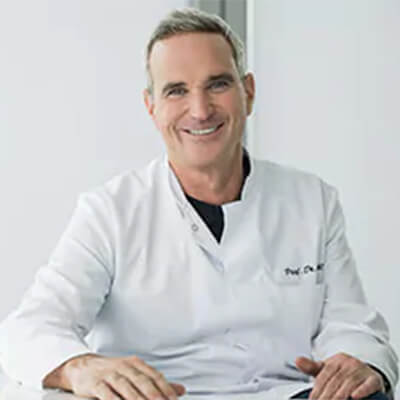
Prof. Dr. med. habil. Peter Diehl ist Facharzt für Orthopädie und Unfallchirurgie am OZMO – Orthopädie Zentrum München Ost. Als Spezialist für Schulter- und Knieerkrankungen verfügt er über langjährige operative Erfahrung. Zu seinen Behandlungsschwerpunkten zählen Sportverletzungen, Knorpelschäden, regenerative Knorpeltherapien und minimalinvasive Gelenkeingriffe.
Inhaltsverzeichnis:
- Was ist die extrakorporale Stoßwellentherapie (ESWT)?
- Fokussierte vs. radiale Stoßwellen – Unterschiede und Anwendung
- Anwendungsgebiete – Wann aktiviert die Stoßwelle die Heilung?
- Schulterbehandlung – Spezialisierung im OZMO
- Behandlungsablauf – Von der Diagnose zur Heilungsaktivierung
- Stoßwellentherapie vs. Operation – Wann welche Therapie?
- Wissenschaftliche Evidenz und Erfolgsaussichten
- Häufig gestellte Fragen
- Warum Stoßwellentherapie im Orthopädiezentrum München Ost?
- Fazit – Die Stoßwelle als Impuls zur Selbstheilung
What is extracorporeal shock wave therapy (ESWT)?
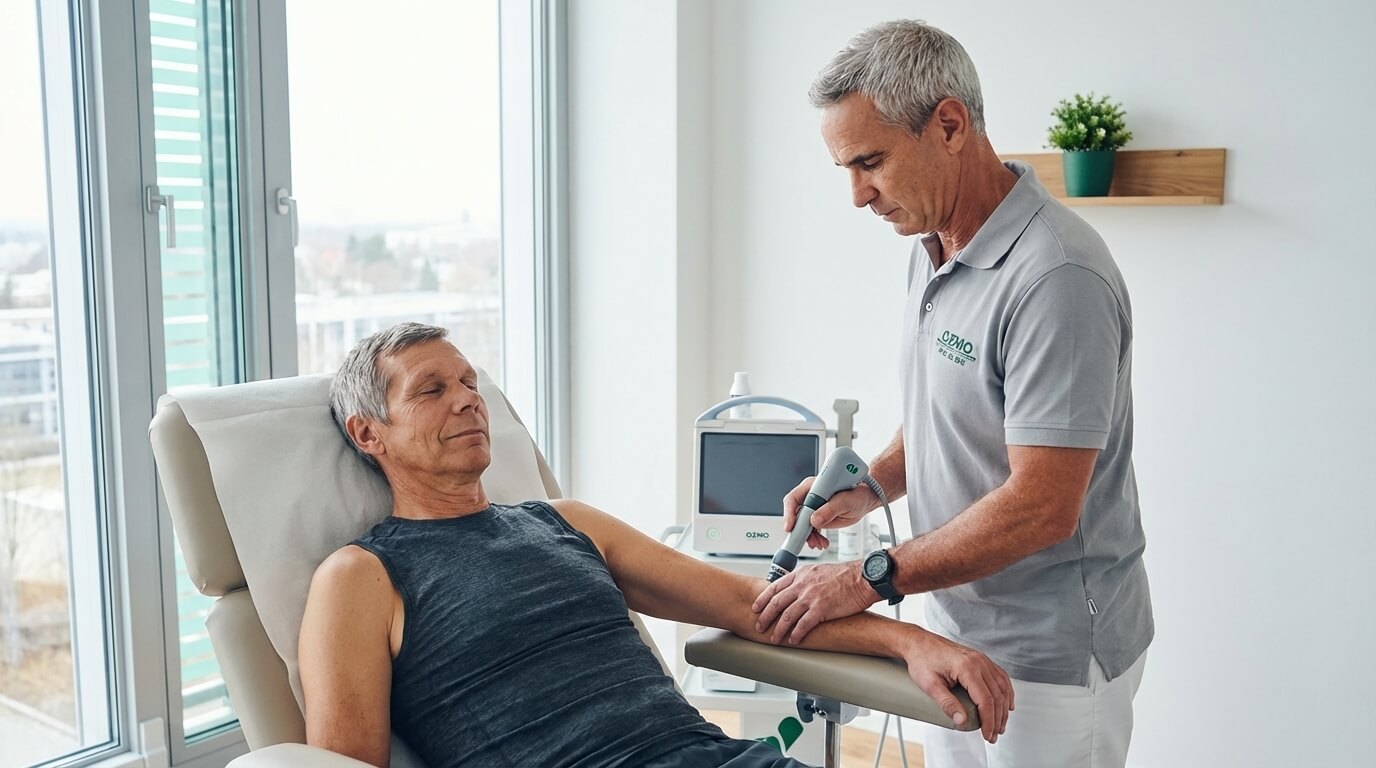
Extracorporeal shock wave therapy is a state-of-the-art, non-invasive treatment method that uses high-energy sound waves to biologically activate healing processes. These sound waves are generated outside of the body (extracorporeal) and directed precisely into the painful area of the body using a special transducer. The active principle is based on targeted blood circulation stimulation, metabolic activation and cell regeneration. The shock waves penetrate the skin and tissue without causing damage and trigger a reorganization of degenerated tendon structures in the target region.
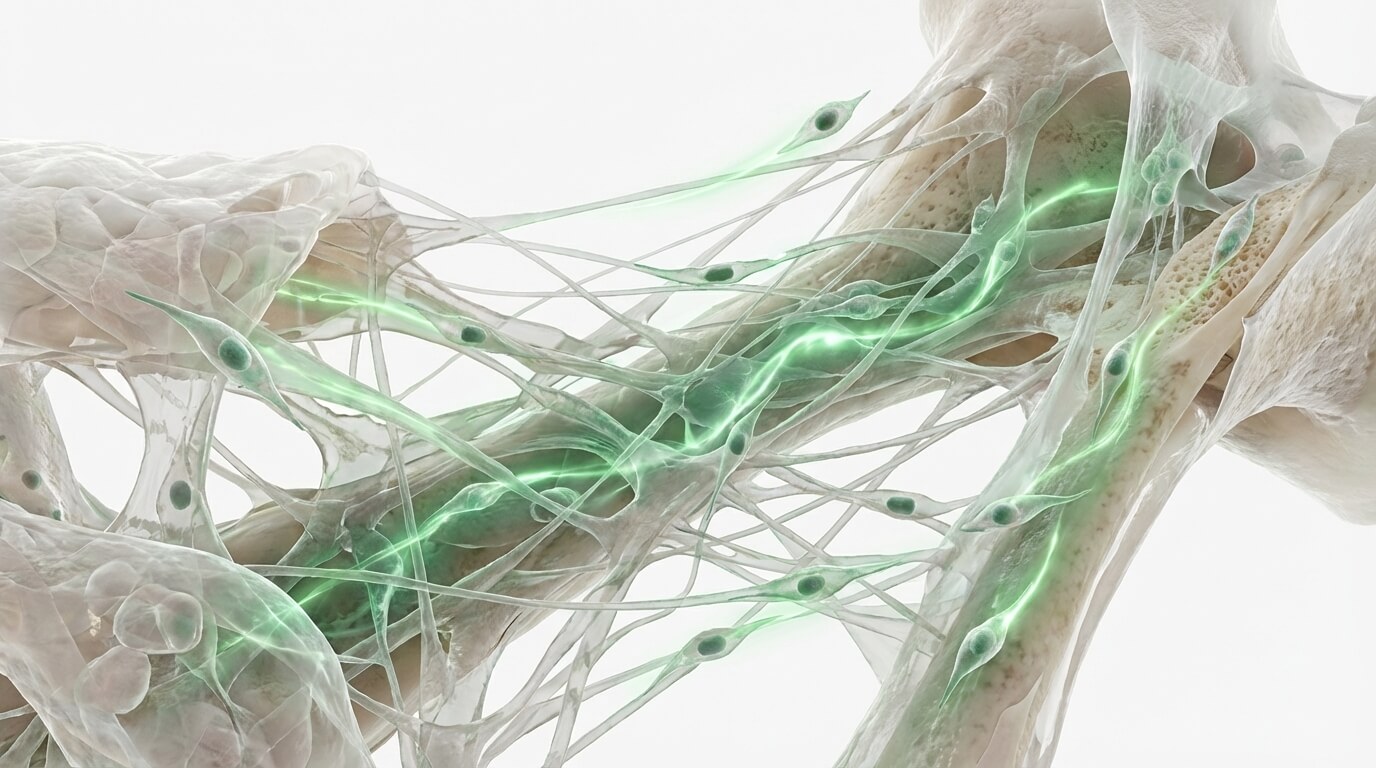
The central mechanism is what is known as mechanotransduction – the conversion of mechanical stimuli into biological healing impulses. This mechanical energy of the shock waves is converted into biochemical signals that trigger a cascade of regeneration processes. This leads to the release of growth factors, the formation of new blood vessels (neovascularization) and a significant improvement in cell metabolism. Chronically inflamed or degeneratively altered tendon structures are reorganized and natural tissue regeneration is promoted.
The treatment is performed on an outpatient basis and is virtually painless, taking around 15 minutes. Unlike medication, ESWT does not cause any systemic side effects. In contrast to surgical procedures, it does not change any joint structures, but instead stimulates natural self-healing. The possibility of treating pain without surgery – this option opens up new therapeutic perspectives for patients when conservative measures such as physiotherapy or medication are not sufficient.
Central principles of shock wave therapy:
- Promotion of blood circulation in degenerated tissue through neovascularization
- Activation of stem cells and endogenous growth factors
- Targeted dissolution of painful calcifications
- Sustainable reduction of chronic inflammatory processes
- Modulation of pain receptors to interrupt the pain cycle
- Reorganization and regeneration of tendon and connective tissue structures
Focused vs. radial shock waves – differences and application
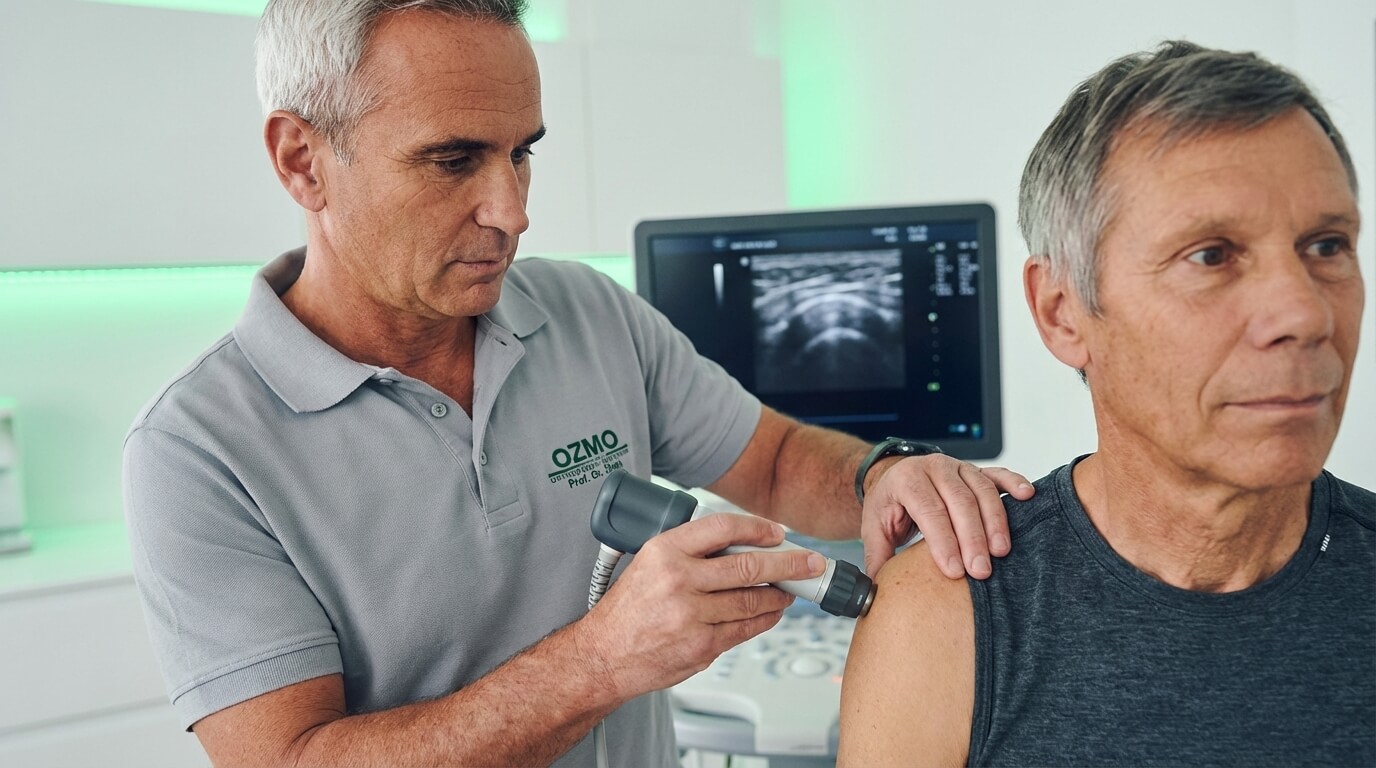
Modern outpatient pain therapy distinguishes between two types of shock wave with specific areas of application, which differ fundamentally in their energy transmission, penetration depth and mode of action. At the Orthopaedic Center Munich East, we select the optimal type of shockwave to suit your individual clinical picture. A strategic combination of both procedures often proves to be particularly effective in order to treat both superficial and deep-seated causes of your complaints in a targeted manner.
Focused shock waves (ESWT) have a high level of energy that is concentrated in a small, precise focal point deep in the tissue. They penetrate precisely into deeper structures up to 12 centimetres deep and are ideal for stubborn complaints such as calcified shoulders, heel spurs or chronic tendonitis. The high energy density makes it possible to mechanically break up even stubborn calcifications and initiate profound regeneration processes. This calcium dissolution is particularly important in the treatment of calcified shoulders.
Radial shock waves (RSWT), on the other hand, spread over a larger area and more superficially in the tissue. Their energy is lower and is distributed like a pressure wave over a large area of the treated area. They are ideal for treating muscle tension, myofascial trigger points and extensive tendon insertion irritation. Radial shock waves loosen the tissue, promote blood circulation and effectively dissolve muscular hardening. They are ideal for muscle relaxation and the treatment of superficial structures.
The scientific basis of both shock wave forms is mechanotransduction – the ability of cells to react to mechanical stimuli such as pressure or vibration and convert these into biochemical signals. This activates cellular repair mechanisms and promotes tissue regeneration without structural interventions or invasive measures.
| Body region | Specific applications | Shock wave type | Treatment goal |
|---|---|---|---|
| Shoulder | Calcified shoulder, impingement syndrome | Focused | Lime dissolution, mobility |
| Elbow | Tennis/golfer’s elbow, epicondylopathy | Radial | Tendon regeneration |
| Hip | Trochanter pain, tendinopathies | Combined | Inflammation reduction |
| Knee | Patellar tendon syndrome, runner’s knee | Focused | Function recovery |
| Foot | Heel spur, plantar fasciitis | Radial | Pain relief |
| Back | Myofascial syndromes | Radial | Muscle relaxation |
Shoulder treatment – specialization at OZMO
As a shoulder competence center, the Orthopaedic Centre Munich East has specialized in the treatment of complex shoulder complaints. Focused shock wave therapy has proven to be an outstanding, non-surgical treatment option, particularly for calcific shoulder (tendinosis calcarea). As a proven shoulder specialist, Prof. Dr. Diehl uses this procedure specifically to dissolve the painful calcium deposits in the tendons of the rotator cuff and stimulate natural tissue regeneration.
Instead of rashly advising surgery, we take a strictly conservative approach. The focused shock waves shatter the calcifications with mechanical precision, allowing the body to break down the calcium fragments through its natural metabolism. This not only leads to lasting pain relief, but also to a significant improvement in mobility without invasively damaging the sensitive tendon structure. Our many years of expertise at the Shoulder Competence Center ensure a precise diagnosis and a responsible indication for successful, joint-preserving therapy.
The focus is on conservative orthopaedics – surgical measures are only recommended if there is a clear medical indication and all conservative options have been exhausted. Studies have shown a success rate of over 80 % in terms of calcification resolution and lasting pain reduction in calcific shoulder. In many cases, ESWT can avoid surgical intervention, as the treatment directly addresses the cause and does not just treat the symptoms.
Treatment process – from diagnosis to healing activation
The treatment process at the OZMO begins with a responsible anamnesis and careful indication. Prof. Dr. Diehl attaches particular importance to individual patient guidance and transparent information about treatment goals and realistic prospects of success. Successful shock wave therapy is based on a clear, structured and patient-oriented procedure that is designed to activate healing in a targeted manner and to guide you safely through the entire treatment process.
Structured treatment steps of shock wave therapy:
- Comprehensive diagnostics and medical history: Comprehensive consultation, thorough clinical and imaging examination (ultrasound, X-ray)
- Responsible indication: Prof. Dr. Diehl carefully checks whether ESWT is the optimal method for your specific clinical picture
- Individual treatment planning: 3-5 sessions at weekly to fortnightly intervals, adapted to your symptoms
- Outpatient procedure: Precise treatment lasting 10-15 minutes at a time with no downtime
- Professional follow-up care: progress monitoring and therapy optimization with individual exercise recommendations
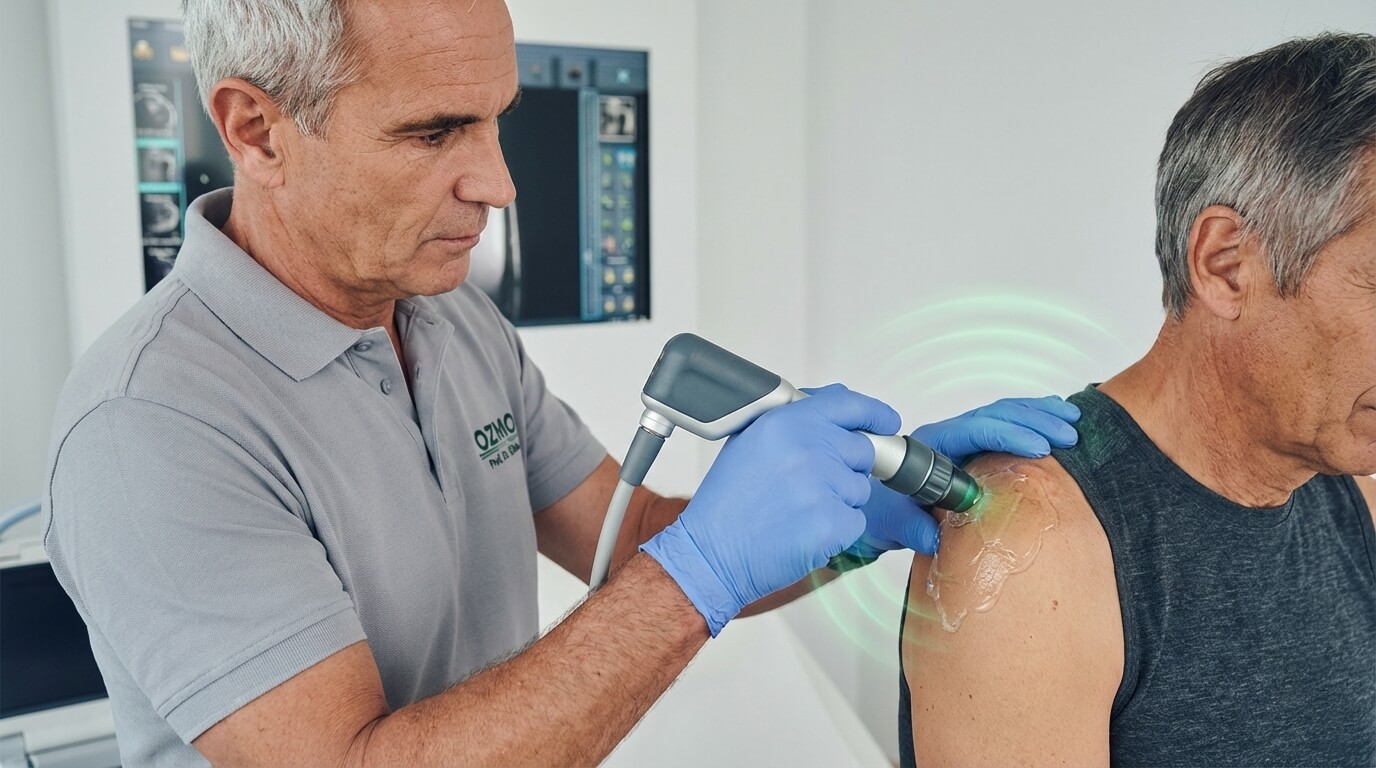
Healing activation sets in after 2-6 weeks, when the stimulated biological processes develop their full regenerative effect. During the outpatient treatment, a special contact gel is applied after the pain point has been precisely localized and the therapy head is placed precisely on the skin. The sound waves are then directed specifically into the diseased tissue. The comprehensive aftercare includes individual movement recommendations and accompanying physiotherapeutic measures for optimal healing support.
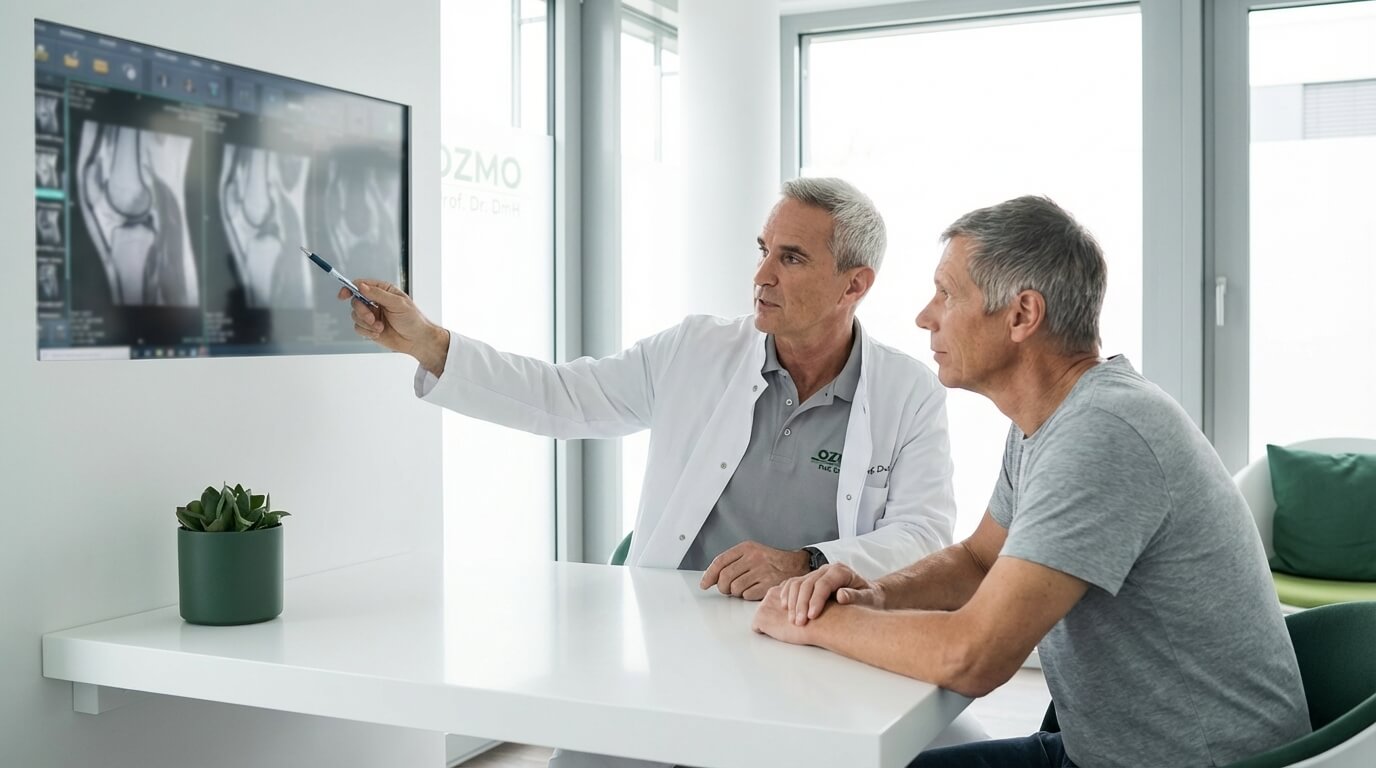
Shockwave therapy vs. surgery – when to use which therapy?
My medical principle is unequivocal: “Radiological findings alone never automatically justify an operation”. The decisive factors are always the patient’s individual level of suffering, functional limitations, personal mobility requirements and quality of life. Many radiological changes such as calcific deposits or heel spurs are incidental findings and not necessarily the cause of the symptoms. Shock wave therapy offers the valuable opportunity to avoid or delay surgical interventions or to fundamentally reconsider their necessity.
The decision-making process takes into account individual factors such as the patient’s age, activity level, professional requirements and personal preferences. ESWT is a key pillar of conservative orthopaedics and addresses the biological cause directly. It enables the body to heal itself – an opportunity that should be consistently utilized before any invasive measures. Only when all conservative options, including professionally performed shock wave therapy, have been exhausted and the level of suffering remains high do we consider a surgical solution.
If surgery is necessary, the OZMO only recommends certified arthroplasty centers using the latest, minimally invasive techniques. As a specialized competence center for second opinions before joint replacement, we offer independent, honest advice on the best possible treatment decision.
Key decision criteria:
- Subjective level of suffering and pain intensity of the patient
- Functional everyday limitations in work, sport and leisure
- Previous response to conservative therapy measures
- Personal circumstances and individual activity requirements
- Age, state of health and realistic therapy goals
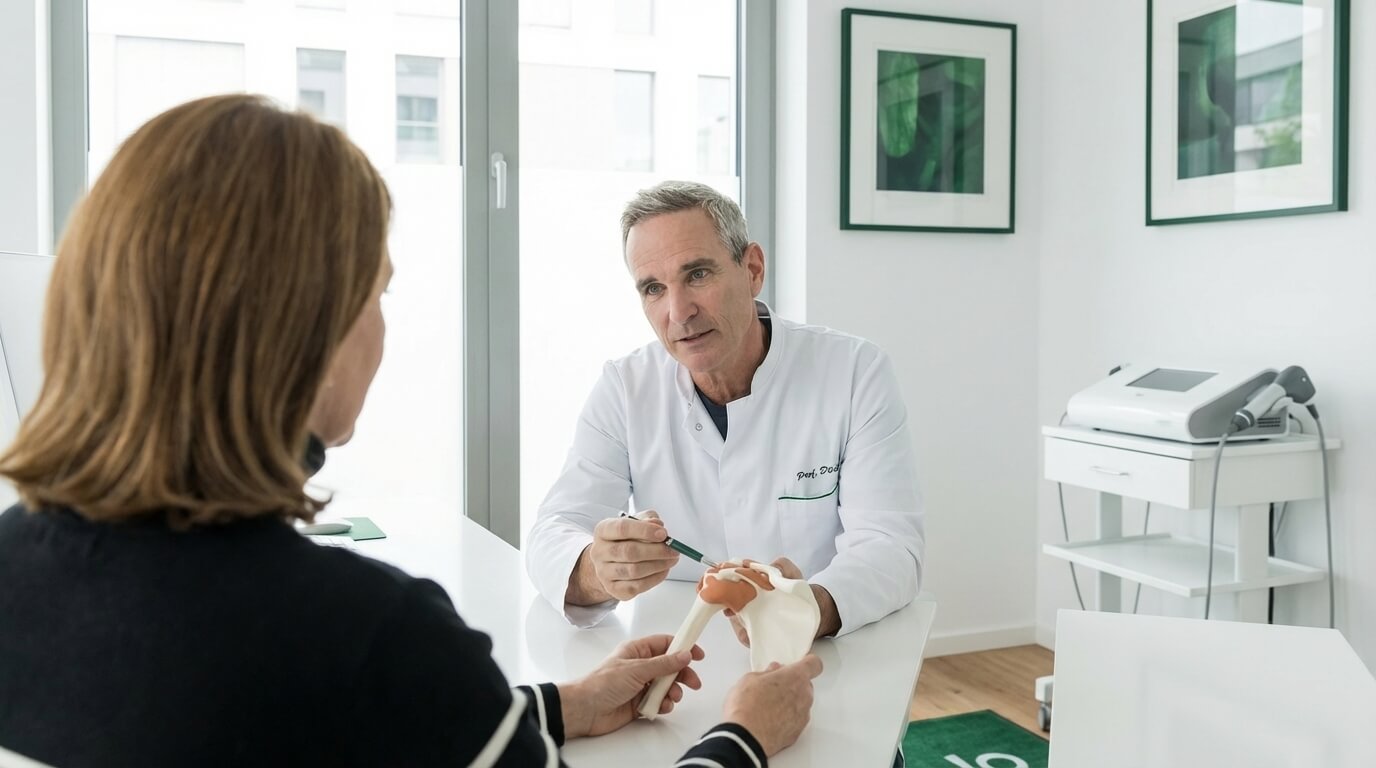
Scientific evidence and prospects of success
Extracorporeal shock wave therapy is based on extensive scientific evidence and has been substantiated by a large number of high-quality international studies. International specialist orthopaedic societies recommend ESWT in their current guidelines as an effective treatment method for numerous tendon insertion disorders. Studies clearly demonstrate the biological principles of action: neovascularization promotes blood circulation, growth factor release activates natural repair mechanisms and pain receptor modulation reduces chronic pain in the long term.
The primary therapeutic goal is not only to achieve short-term pain relief, but also to restore long-term resilience and complete functional recovery. Tissue regeneration enables long-term stability without structural weakening through surgical interventions. The success of the therapy is based on clearly defined biological mechanisms that trigger genuine tissue regeneration at cellular level and bring about lasting healing.
Scientifically proven mechanisms of action of ESWT:
- Mechanical stimulation activates natural healing cascades at cellular level
- Targeted release of growth factors (VEGF, BMP) and the body’s own stem cells
- Significant improvement in microcirculation and oxygen supply
- Sustainable reduction of inflammatory mediators and pain substances
- Effective modulation of pain perception through nerve stimulation
- Mechanical crushing and biodegradation of limescale deposits
The chances of success are very high if the indication is correct and vary depending on the specific clinical picture. For classic indications such as calcific shoulder or heel spur, over 80% of patients report a significant and lasting improvement in their symptoms without surgery.
Frequently asked questions (FAQ)
How many sessions are necessary and how long does a single treatment take?
Shock wave therapy usually comprises a treatment cycle of 3-5 sessions, each lasting around 10-15 minutes. The optimal intervals between sessions are 1-2 weeks to give the tissue sufficient time for the biological regeneration processes between applications. The exact number of sessions is determined at the OZMO after a thorough diagnosis for your specific clinical picture and healing process. Prof. Dr. Diehl adapts the frequency of treatment to your personal needs and response to the therapy.
Do statutory and private health insurance companies cover the costs of shock wave therapy?
The assumption of costs for shock wave therapy is regulated differently and depends on your insurance and the specific indication. For private patients, the costs are usually reimbursed in full by the private health insurance company. For patients with statutory health insurance, ESWT for the indication heel spur (plantar fasciitis) is a recognized health insurance benefit under certain conditions. For all other areas of application, it is usually an individual health service (IGeL). At OZMO, we provide you with transparent and comprehensive advice on the costs incurred and possible reimbursement options before treatment begins.
Is shock wave therapy painful and what side effects can occur?
Outpatient pain therapy using ESWT is virtually pain-free and extremely well tolerated. Most patients only experience a slight, rhythmic tapping or a mild feeling of pressure during the treatment, which can be tolerated without any problems. The intensity of treatment is always adjusted to your individual pain level. There are no known serious or systemic side effects, as the treatment is purely mechanical without medication. Occasionally, temporary slight reddening of the skin, minor bruising or a brief increase in pain may occur after the treatment, which can be seen as a positive sign of the healing reaction.
Can all patients with chronic musculoskeletal pain be treated?
Shockwave therapy is suitable for the vast majority of patients with chronic musculoskeletal pain. However, a careful examination of indications in accordance with the high standards of the Orthopaedic Center Munich East is essential for safe and successful treatment. There are certain contraindications for which treatment must not be carried out. These include the presence of tumors or acute infections in the treatment area, severe blood clotting disorders or the use of strong blood thinners as well as an existing pregnancy. In a comprehensive, personal consultation, we will clarify in detail whether the treatment is medically safe and therapeutically appropriate for you.
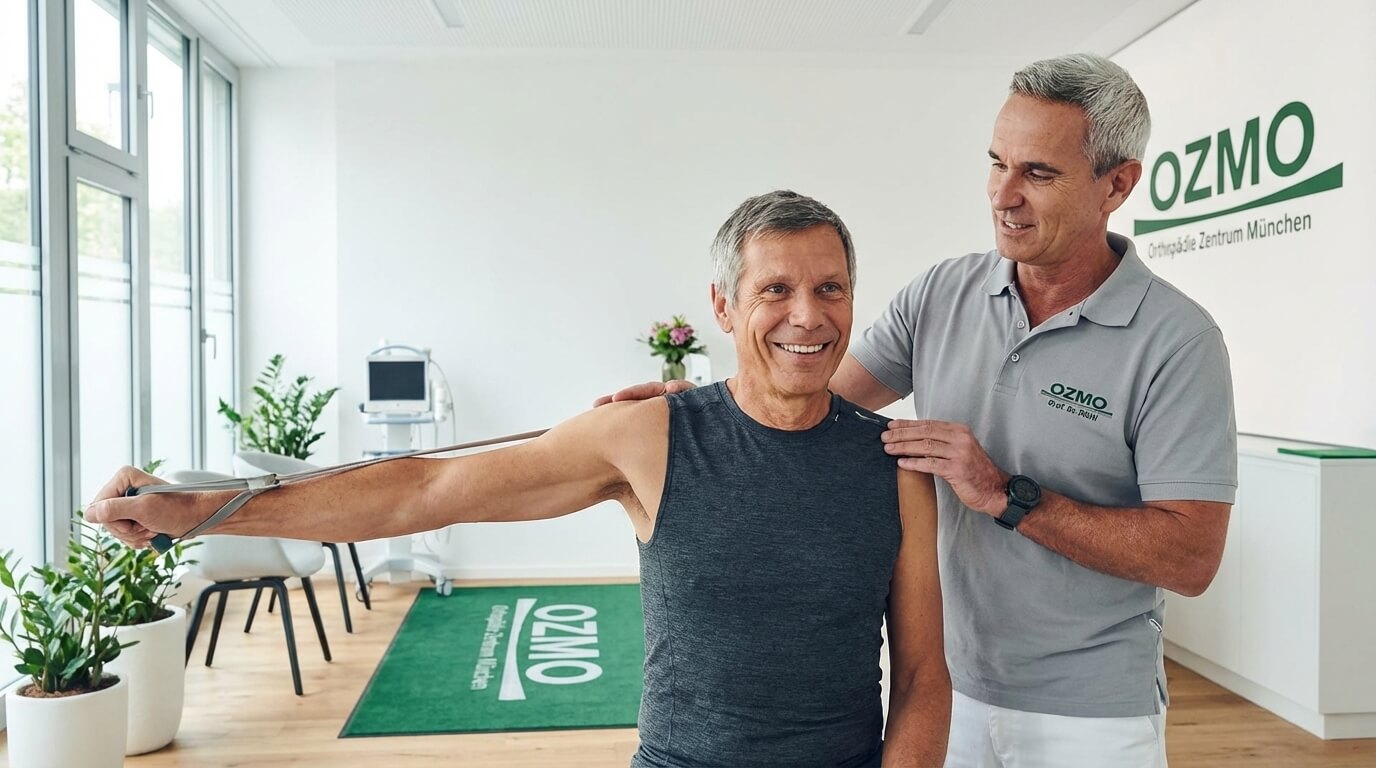
Why shock wave therapy at the Orthopaedic Center Munich East?
The OZMO positions itself as a conservative-oriented competence center and specialist for well-founded second opinions before planned joint replacement operations. Under the medical direction of Prof. Dr. Diehl, we have established ourselves as a center for responsible and patient-centred medicine that specializes in regenerative pain therapies. The unique combination of modern regenerative pain therapy and high-quality endoprosthetics for truly medically necessary procedures makes the OZMO a special address in Munich East.
We see ourselves as your trusted partner on the path to sustainable healing and freedom from pain. Prof. Dr. Diehl’s comprehensive expertise includes conservative orthopaedics, highly specialized shoulder treatments and responsible patient management. Individual care and evidence-based treatment decisions are the absolute focus of our treatment philosophy. Our aim is to keep your natural joints healthy, functional and pain-free for as long as possible.
Unique selling points of the OZMO
- Perfect combination of top conservative and surgical expertise
- Certified shoulder competence center with many years of experience
- Recognized second opinion competence before joint replacement operations
- State-of-the-art regenerative pain therapy procedures at the highest level
- Individual, transparent and trusting patient care
- Conservative philosophy with a focus on joint preservation

Conclusion – The shock wave as an impulse for self-healing
Shockwave therapy is impressive scientific proof of how modern medicine can specifically activate the body’s own regenerative powers. It acts as a precise “wake-up call for healing” and activates the body’s own regeneration processes without surgical risks or structural interventions. This modern pain therapy without surgery enables sustainable resilience and complete functional recovery for a wide range of musculoskeletal complaints.
Instead of simply treating symptoms, treatment at the Orthopaedic Center Munich East aims to restore full function and sustainable, pain-free resilience. It is a scientifically sound and clinically proven alternative that can make surgery unnecessary in many cases and treats chronic pain at its root.
Make an appointment for a consultation at the Orthopaedic Center Munich East and benefit from our proven expertise in regenerative pain therapy. As a specialized center for second opinions, we offer you an independent, honest and individual indication for your optimal therapy decision. Let us work together to find the best possible way to achieve freedom from pain without unnecessary surgery and restore your natural mobility in the long term.

Part of Ortivity Network