
Hip pain can significantly impact daily life and pose major challenges for many people. When every movement becomes agonizing and the joy of life fades, it often leads to uncertainty and fears about the future. Hip osteoarthritis, medically known as coxarthrosis, affects approximately 2.5 million people in Germany alone, making it one of the most common joint disorders. The good news is that modern treatment approaches now offer a wide range of options to alleviate symptoms and improve quality of life in the long term.
Our orthopedic center in Munich would like to support you, as a patient, on this important journey. From conservative therapies to innovative treatment methods and state-of-the-art surgical procedures, this comprehensive guide outlines all available options. You’ll learn everything about causes, modern diagnostic procedures, and personalized treatment strategies that will help you return to an active, pain-free life. With targeted knowledge and the right therapeutic measures, you can positively influence the course of your condition and significantly improve your quality of life.

Priv.-Doz. Dr. med. habil. Johannes Schauwecker ist Facharzt für Orthopädie und Unfallchirurgie sowie Ärztlicher Leiter und Geschäftsführer des OZMO – Orthopädie Zentrum München Ost. Seine Schwerpunkte liegen in der Behandlung von Erkrankungen des Hüft- und Kniegelenks. Dabei stehen gelenkerhaltende Verfahren sowie moderne, individuell abgestimmte Methoden des Gelenkersatzes im Mittelpunkt.
Table of contents:
- What is hip osteoarthritis (coxarthrosis), and how does it develop?
- Causes of Hip Osteoarthritis – From Misalignments to Circulatory Disorders
- Recognizing Symptoms – When Should You Take Action?
- Stages of Hip Osteoarthritis—From Early Signs to the Final Stage
- Conservative Treatment Before Surgery
- Exercise as Medicine – How Exercise Helps with Hip Osteoarthritis
- Modern Surgical Treatment Options
- Joint Replacement – When Is a Hip Replacement Recommended?
- FAQ
- Conclusion

What is hip osteoarthritis (coxarthrosis), and what causes it?
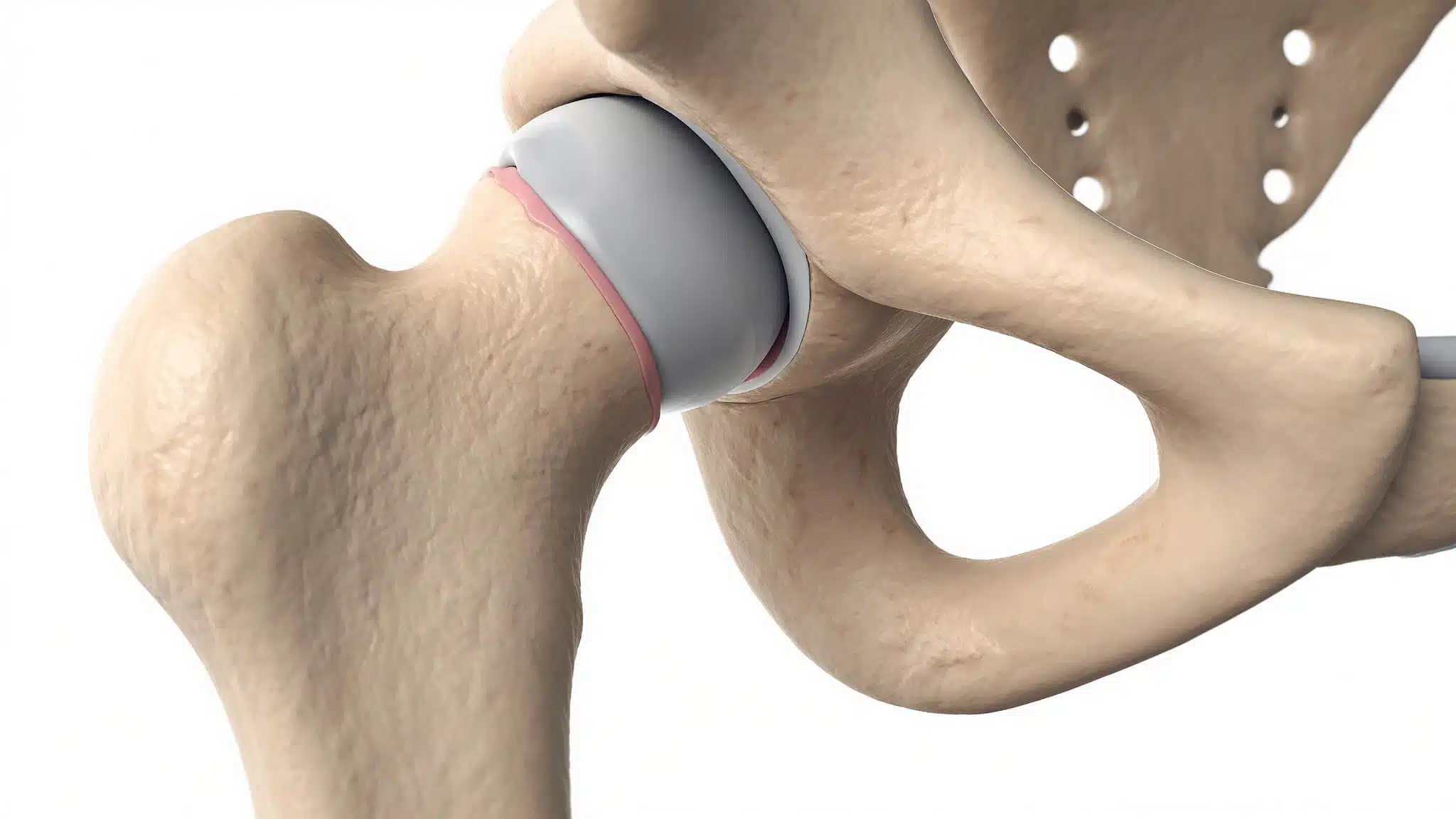
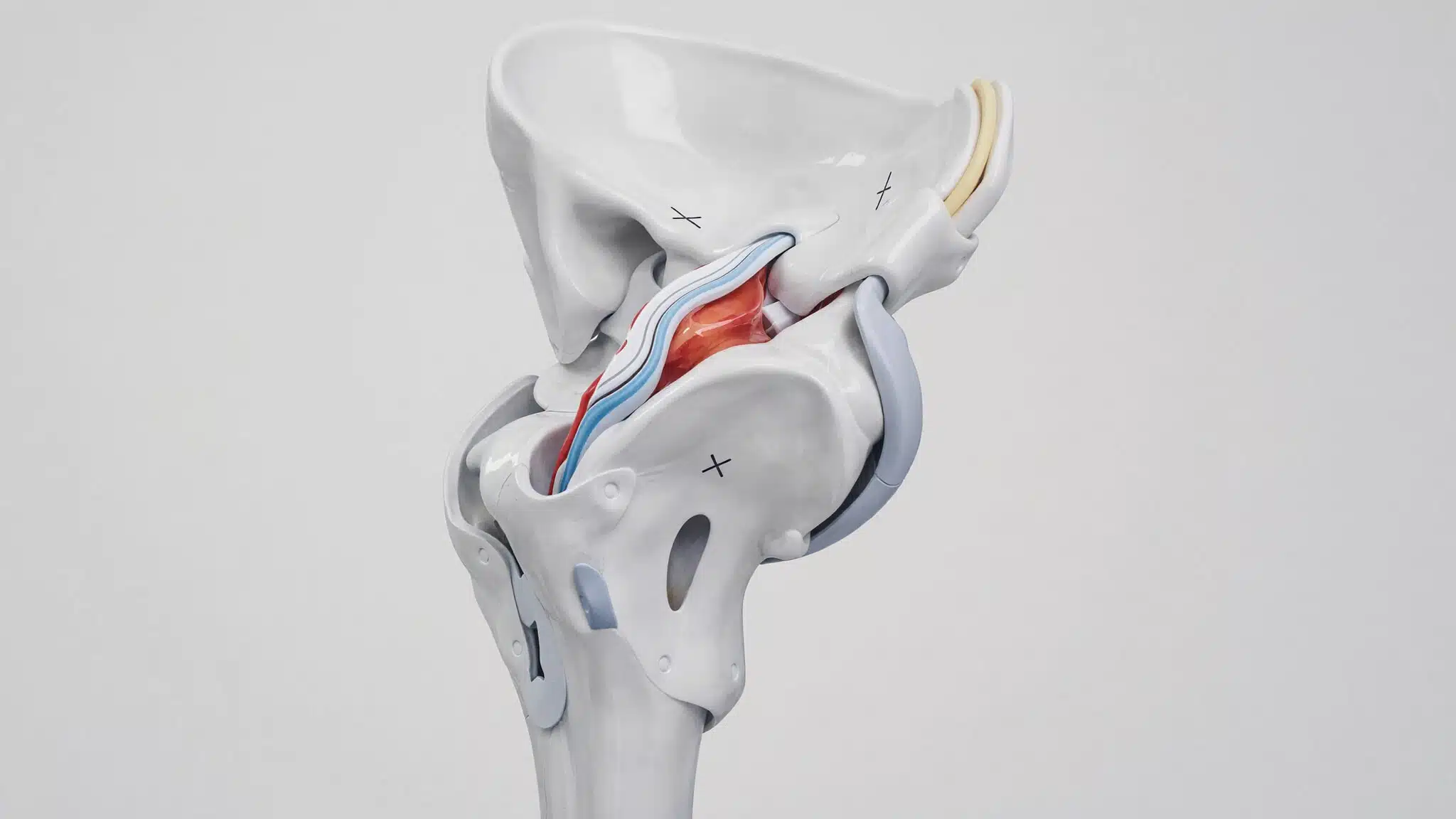
Hip osteoarthritis, or coxarthrosis, is a chronic degenerative disease of the hip joint in which the protective articular cartilage is gradually broken down. The hip joint, one of the largest ball-and-socket joints in the human body, connects the femoral head to the acetabulum of the pelvis and bears our entire body weight during nearly every movement. When healthy, a smooth, elastic layer of cartilage covers the joint surfaces of the femoral head and the acetabulum. This protective layer acts as a perfect shock absorber, cushioning stress and ensuring smooth movement between the joint surfaces.
In osteoarthritis, the cartilage gradually loses its elasticity and thickness. The originally smooth surface becomes rougher, cracks form, and eventually areas of bone are exposed. When the bones rub directly against each other, this causes the characteristic pain and limited range of motion. At the same time, the body responds with inflammatory reactions that place additional strain on the joint and lead to the typical sensation of pain.
Important distinction: A distinction is made between primary coxarthrosis, for which no clear cause can be identified and which often occurs as age-related wear and tear, and secondary coxarthrosis, which results from pre-existing conditions, misalignments, or injuries. This distinction is crucial for selecting the optimal treatment strategy, as it determines the appropriate treatment approaches.
The statistical significance in Germany is considerable: Approximately 2.5 million people are affected by hip osteoarthritis, with women developing the condition more frequently than men, especially after menopause. The risk increases significantly after age 50, and more than 200,000 hip replacements are performed each year. These figures make it clear that this is a widespread condition that affects many families.
Causes of Hip Osteoarthritis – From Misalignments to Circulatory Disorders
The development of hip osteoarthritis is rarely attributable to a single cause—it is usually the result of a complex interplay of various factors. In secondary coxarthrosis, which accounts for about 80 percent of cases, specific triggers can be identified. Early detection of these causes is crucial for positively influencing the course of the disease and developing targeted treatment strategies.
Congenital or acquired misalignments play a key role: Hip dysplasia—an underdeveloped hip socket—leads to localized stress on the cartilage and, consequently, to accelerated wear and tear. Hip impingement —a mechanical blockage between the femoral head and the acetabulum—causes recurrent microtrauma to the cartilage and the labrum. These mechanical problems lead to uneven pressure distribution within the joint.
Excess weight is one of the most significant modifiable risk factors. Every additional kilogram of body weight increases the mechanical load on the hip joints many times over. In addition, adipose tissue produces pro-inflammatory mediators that can cause further damage to the cartilage. Impaired blood flow to the femoral head (avascular necrosis of the femoral head) leads to the death of bone tissue, which can cause the overlying cartilage to collapse.
Inflammatory joint diseases such as rheumatoid arthritis can trigger chronic inflammation that directly attacks the joint cartilage. The consequences of injuries following accidents—such as a femoral neck fracture or damage to the labrum—can permanently disrupt joint mechanics and lead to post-traumatic osteoarthritis years later. Genetic predisposition also plays a role—familial clusters suggest hereditary factors that can influence cartilage quality or joint shape.
Recognizing Symptoms – When Should You Take Action?
The first signs of hip osteoarthritis usually develop gradually and are often dismissed as normal signs of aging. Because of this gradual onset, many people affected do not seek professional help until it is too late. Stiffness after sitting for a long time or upon getting out of bed in the morning are typical early warning signs that should be taken seriously. The hip feels stiff, as if it were “rusty,” and requires a few steps or movements to regain its flexibility. At first, these symptoms improve with movement, which leads many people to ignore them.
As the disease progresses, characteristic groin pain develops, which typically radiates into the thigh or even down to the knee joint. Many patients therefore initially seek medical attention for knee problems, without realizing that the cause lies in the hip. This referred pain is a typical symptom of hip problems and can make diagnosis difficult. Mobility gradually decreases—putting on shoes and socks becomes a challenge, climbing stairs becomes increasingly difficult, and everyday activities such as getting out of a car become painful.
In advanced stages, nighttime pain and pain at rest develop, which can significantly interfere with sleep. The pain becomes a constant companion that severely limits quality of life. Those affected often develop a characteristic compensatory posture with a typical limp, which in turn can cause tension in the back and lumbar spine. These compensatory mechanisms frequently lead to additional symptoms throughout the musculoskeletal system.
Important Checklist for Those Affected:
- Morning stiffness in the hip after getting out of bed
- Pain in the groin and thigh, especially during physical activity
- Limited mobility when bending over or getting dressed
- Difficulty climbing stairs or walking for long periods of time
- Nighttime pain when lying on the affected side
- Grinding or cracking sounds when moving
- Increasing reduction in walking distance due to pain
Stages of Hip Osteoarthritis—From Early Signs to the Final Stage
Hip osteoarthritis is medically classified into four severity levels, which reflect both the extent of cartilage damage and the impact on quality of life. This classification helps orthopedic surgeons objectively assess the degree of joint wear and plan appropriate treatment tailored to the specific stage of the disease. Early detection in the initial stages is crucial, as joint-preserving measures are most likely to be successful at this stage.
Stage I (Initial Stage): The articular cartilage shows initial, superficial roughening or slight softening. On an X-ray, only minimal changes—or none at all—are often visible, and the joint space still appears normal. Patients at this stage are usually completely symptom-free, which is why the diagnosis is often made incidentally during routine examinations. This is the best time to take preventive measures.
Stage II (Early Stage): The cartilage damage becomes deeper and more extensive, and the joint space begins to narrow slightly. Small bony growths (osteophytes) may begin to form at the edges of the joint—a reaction by the body to the altered stress. The typical start-up and stress pains occur, but they can still be relieved by movement. At this stage, conservative treatments are particularly promising.
Stage III (Advanced Stage): More than 50 percent of the cartilage has already been worn away, and the joint space has narrowed significantly. The osteophytes grow larger and can further restrict mobility. Pain occurs more frequently and is more intense, often even with light activity or while at rest. Quality of life is noticeably impaired, and everyday activities become increasingly difficult.
Stage IV (End Stage): The joint cartilage is largely or completely destroyed—doctors refer to this as “cartilage loss.” The bones of the femoral head and acetabulum rub directly against each other, leading to severe, persistent pain. Mobility is severely restricted, and partial stiffness of the joint often occurs. At this stage, joint replacement surgery is usually the only solution for regaining pain-free mobility.
Conservative Treatment Before Surgery
Conservative therapy forms the foundation of any successful treatment for hip osteoarthritis and should always be exhausted before resorting to surgical intervention. The main goal is to relieve pain, improve joint function, slow the progression of osteoarthritis, and maintain patients’ quality of life for as long as possible. The treatment is multimodal and is individually tailored to the specific stage of osteoarthritis as well as the patient’s personal needs and circumstances.
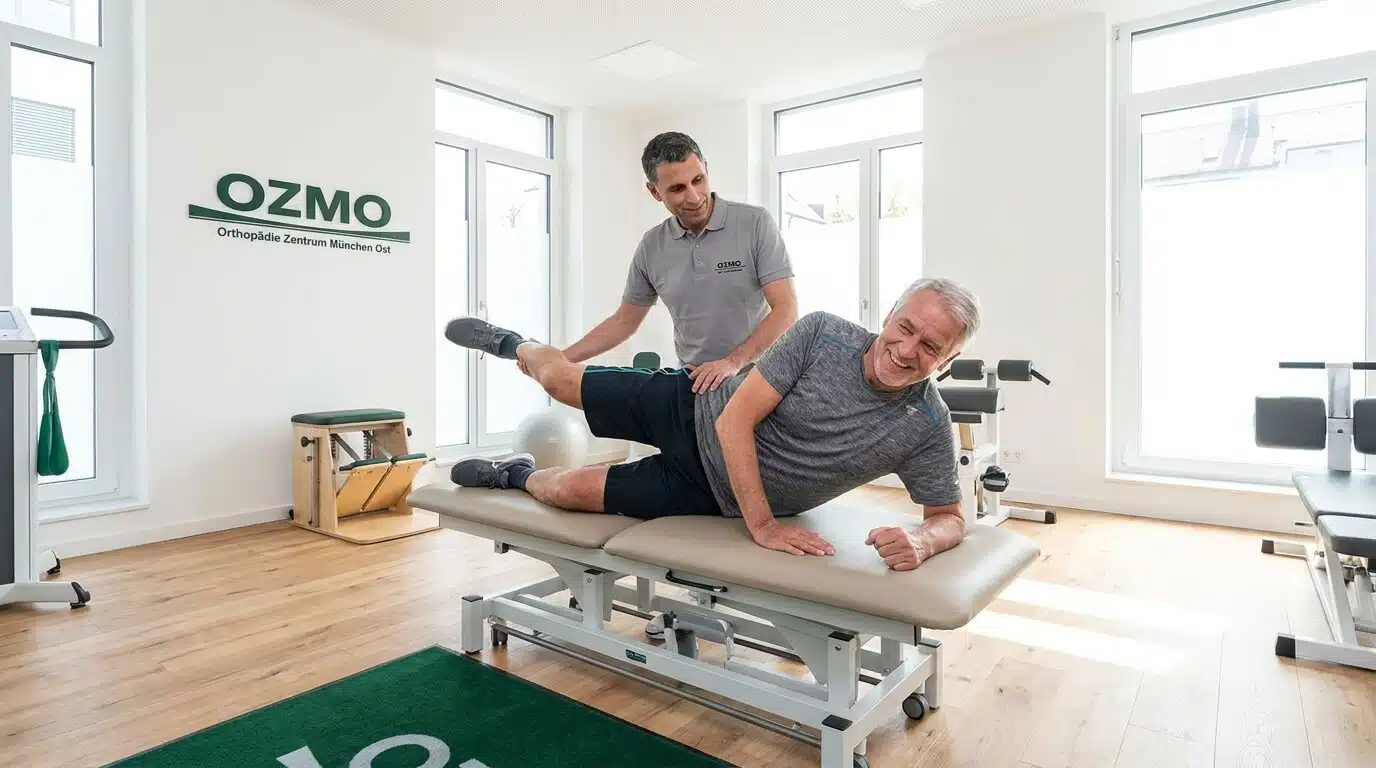
Physical therapy is at the very heart of the treatment. An experienced physical therapist develops personalized exercise programs that include targeted exercises to strengthen the muscles surrounding the hip, as well as stretching exercises to maintain and improve mobility. These programs are continuously adjusted based on the patient’s progress and can be performed both at the clinic and at home.
Weight loss plays a central role in the treatment plan, as even a reduction of five kilograms can lower the risk of osteoarthritis by nearly 50 percent. Every extra kilogram puts additional strain on the hip joints and accelerates cartilage breakdown. A balanced, anti-inflammatory diet rich in vegetables and omega-3 fatty acids and low in red meat further supports the healing process.
Medication-based pain management involves the use of modern, stomach-friendly anti-inflammatory drugs (NSAIDs), which not only relieve pain but also reduce inflammation in the joint. Hyaluronic acid injections can improve joint lubrication and promote cartilage metabolism in the early to moderate stages of the condition. Physical therapies, such as targeted heat and cold treatments, as well as orthopedic aids like crutches or shock-absorbing shoe inserts, round out the comprehensive range of treatments.
Evidence-Based Success Rates: Scientific studies clearly demonstrate that conservative treatment approaches can lead to significant symptom improvement in 60 to 70 percent of patients, particularly when implemented early and consistently. These figures underscore the importance of timely and systematic non-surgical treatment.
Exercise as Medicine – How Exercise Helps with Hip Osteoarthritis
Contrary to widespread belief, physical activity is not harmful for hip osteoarthritis; rather, it has been proven to be beneficial and therapeutically valuable. For a long time, the advice was to rest painful joints—today we know that the opposite is true. Regular, appropriate physical activity stimulates cartilage metabolism and supplies the tissue with important nutrients. Joint cartilage is not supplied with blood but is passively nourished by synovial fluid. This process works like a sponge: when under load, the cartilage is compressed and releases waste products; when the load is removed, it reabsorbs nutrient-rich fluid.
Sports that are easy on the joints are particularly recommended, as they relieve pressure on the joints while strengthening the muscles. Swimming and water aerobics are ideal, since the buoyancy of the water almost completely relieves pressure on the joints, while water resistance effectively strengthens the muscles. Cycling involves repetitive movements without impact and is ideal for mobilizing the hip joint. Nordic walking uses poles for support, which help absorb some of the body’s weight and relieve pressure on the hip joints.
Strength training designed to specifically strengthen the hip, thigh, and core muscles stabilizes the joint and has been shown to reduce pain. Strong muscles act like an active corset that stabilizes the joint, cushions impacts, and relieves pressure on the joint surfaces. The key is finding the right balance: 2 to 3 training sessions per week, each lasting 45 minutes, are ideal for most patients.
Activities to Avoid: High-impact sports such as jogging on hard surfaces, contact sports involving jerky movements, or activities involving quick stops and sudden changes in direction should be avoided, as they can put additional strain on the cartilage.
Modern Surgical Treatment Options
When conservative treatments are no longer sufficient and quality of life is significantly impaired, modern surgical procedures offer effective and safe solutions. The decision to undergo surgery is never made lightly, but rather after careful consideration of all factors and always in close consultation with the patient. Modern orthopedics today offers a wide range of procedures that are individually tailored to the stage of osteoarthritis, the patient’s age, and the underlying causes.
Hip arthroscopy, a minimally invasive “keyhole surgery,” makes it possible to specifically treat the causes of osteoarthritis in its early stages. Through small incisions in the skin measuring just a few millimeters, fine instruments and a high-resolution camera are inserted to smooth out cartilage damage, remove loose bodies, suture torn labrums, or correct misalignments. This technique is particularly gentle on the tissue and allows for a quick recovery.
Cartilage transplantation and regenerative procedures offer new hope for younger patients with limited but deep cartilage defects. In these procedures, the patient’s own cartilage cells are cultured in a laboratory and then implanted into the damaged areas to form new, healthy cartilage tissue. Osteotomy corrects severe misalignments through targeted bone realignment and can significantly slow the progression of the disease by relieving pressure on damaged cartilage areas.
Minimally invasive joint replacement surgery is used to treat advanced osteoarthritis. Modern surgical techniques allow for small incisions, spare the muscles, and lead to significantly faster mobilization. Patients can often get back on their feet and put full weight on the joint as early as the day of surgery. Complication rates have dropped significantly today, and the lifespan of the implants has improved considerably thanks to better materials and surgical techniques.
Our orthopedic center in Munich places great emphasis on personalized consultation: The choice of surgical procedure must be made on a strictly individual basis. The patient’s age, activity level, comorbidities, and personal preferences are all taken into account in the decision-making process. Our goal is to offer each patient the best possible solution, tailored specifically to their needs.
Joint Replacement – When Is a Hip Replacement Recommended?
The decision to undergo hip replacement surgery is based on clear criteria in accordance with clinical guidelines and should never be made hastily. Hip replacement is recommended when conservative treatments have failed to provide sufficient relief over a period of at least three to six months, the patient has at least stage 3 osteoarthritis, and quality of life is significantly impaired. The decisive factor here is not just the X-ray image, but above all the patient’s subjective level of suffering.
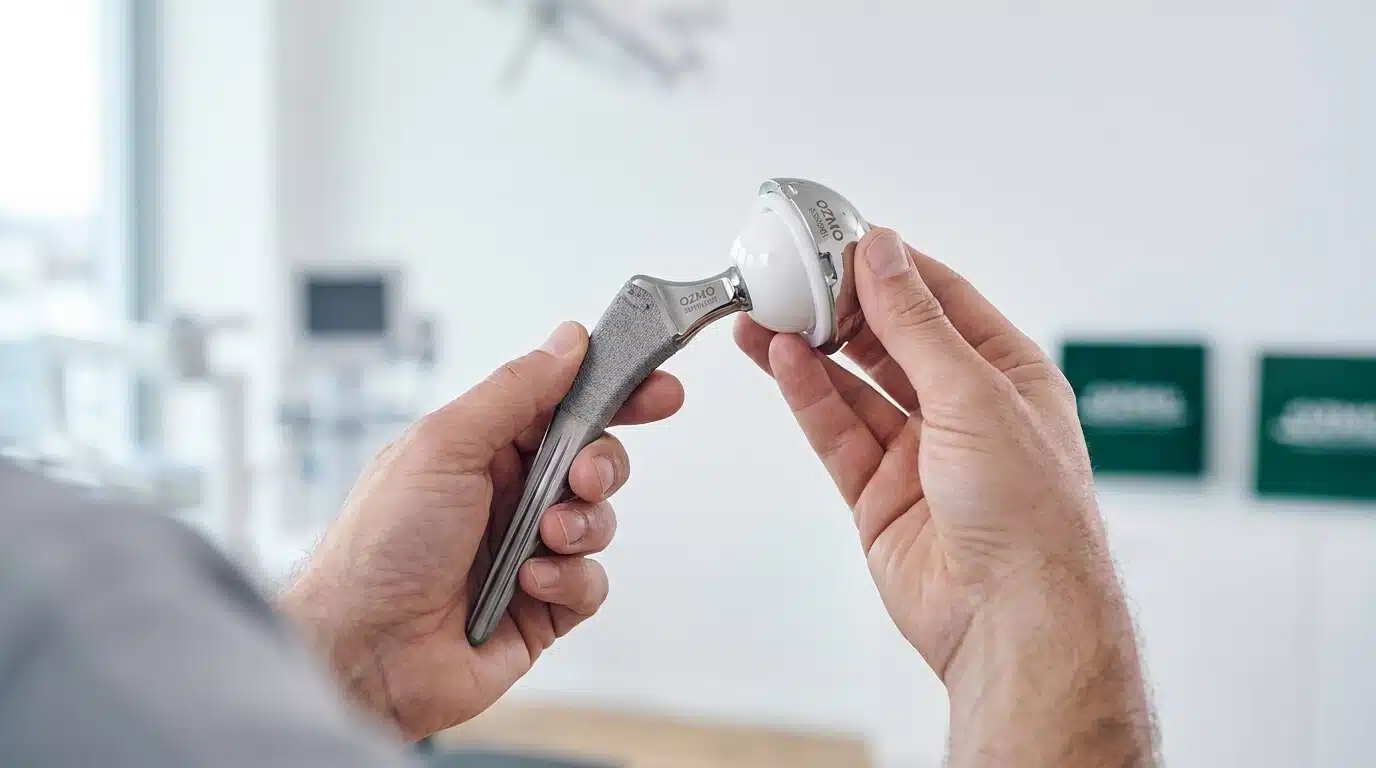
Various types of prostheses are available and are selected based on the individual patient’s situation: A total hip replacement completely replaces the femoral head and acetabulum and is the standard treatment for severe osteoarthritis. Short-stem prostheses offer a bone-sparing alternative for younger patients with good bone quality and keep options open for potential future revision surgeries. Surface replacement covers only the femoral head when bone quality is still good and is also very bone-sparing.
The choice of implant material is determined on a case-by-case basis: Modern implants—usually combinations of titanium, ceramic, or special, highly cross-linked plastics—are biocompatible and resistant to wear. The various bearing pairings (e.g., ceramic-ceramic, ceramic-polyethylene) are selected based on the patient’s age, activity level, and bone quality and have a significant impact on the prosthesis’s longevity.
Modern Lifespans: Today’s implants have impressive lifespans of 15 to 20 years or more. Rehabilitation begins as early as the first day after surgery with physical therapy, and most patients are able to leave the hospital after just a few days.
Important post-operative care guidelines: Regular follow-up visits with an orthopedic surgeon, lifelong endocarditis prophylaxis during dental procedures, and avoiding extreme physical strain ensure the long-term success of joint replacement surgery. A structured rehabilitation program is crucial for success and the restoration of full range of motion.

Frequently asked questions (FAQ)
What can I do on my own to manage hip osteoarthritis?
Taking the initiative plays a crucial and often underestimated role in the treatment of hip osteoarthritis. You can actively and significantly influence the course of your condition. Regular exercise is absolutely essential—low-impact sports such as swimming, cycling, or Nordic walking keep the joints flexible, strengthen the stabilizing muscles, and promote cartilage metabolism. Losing weight significantly reduces the strain on the hip joints; even losing just five kilograms can lead to noticeable improvements.
An anti-inflammatory diet rich in vegetables, omega-3 fatty acids from fish or flaxseed oil, and low in red meat naturally supports the healing process. Heat treatments such as warm baths or heat patches, as well as physical therapy, can relieve pain and promote blood circulation. It’s also important to adjust your daily activities: Avoid deep squats, use walking aids if needed, and wear cushioned shoes with good soles.
Is it possible to treat hip osteoarthritis without surgery?
Yes, in many cases, hip osteoarthritis can be successfully treated without surgery, especially in the early to moderate stages. Conservative treatments such as systematic physical therapy, tailored medication, and consistent lifestyle changes can significantly slow the progression of the disease and substantially reduce symptoms. Hyaluronic acid injections improve joint lubrication, while targeted exercises strengthen the muscles and stabilize the joint.
Scientific studies provide compelling evidence that 60 to 70 percent of patients experience noticeable and lasting improvement through consistently implemented conservative treatments. The key to success is starting treatment early, before irreversible joint damage occurs. The sooner you take action, the better your chances of preserving your natural joint and avoiding surgery—or at least significantly delaying it.
When is the right time to get a hip replacement?
The optimal time for joint replacement varies greatly from person to person and does not depend solely on X-ray findings. The key factors are, above all, your personal level of suffering, the impact on your quality of life, and the failure of conservative treatments over a reasonable period of time. Ask yourself the following questions: Does the pain significantly interfere with your daily life? Are you unable to sleep through the night because of the pain? Do you have to give up important activities?
Thanks to modern surgical techniques and improved implants, even younger patients can now undergo successful joint replacement with excellent long-term outcomes. It is important not to perform the procedure too early, but also not too late —prolonged pain can lead to muscle weakness, limited mobility, and compensatory mechanisms that make subsequent rehabilitation more difficult. At our Munich center, we’d be happy to provide you with detailed advice on the optimal timing for your individual situation.
Conclusion – Your Personal Path to a Better Quality of Life
Understanding hip osteoarthritis and treating it on an individual basis —that is our guiding principle at our orthopedic center in Munich. This condition by no means signals the end of an active and pain-free life. Modern medicine today offers an impressive range of effective treatment options that make it possible to positively influence the course of the disease and significantly and sustainably improve quality of life.
The key to success lies in taking the condition seriously and acting early. A timely, accurate diagnosis and a consistent treatment plan tailored to your personal needs are of fundamental importance. Conservative measures such as targeted exercise, professional physical therapy, and consistent weight management form the solid foundation of treatment and can often delay the need for joint replacement by many valuable years.
An early diagnosis and consistent implementation of treatment measures can positively influence the course of the disease and improve your quality of life in the long term. Should surgery become unavoidable, joint-preserving procedures and modern joint replacement offer highly effective, safe, and proven solutions that can help you return to a pain-free and active life.
Take action now for your future: Don’t hesitate to seek professional help at the first signs of hip osteoarthritis or persistent hip pain. Schedule an appointment at our orthopedic center in Munich to discuss your individual treatment options and take the first important step toward a pain-free, more active life. Together with our experienced team, you’ll find the best path back to pain-free mobility and an active lifestyle.

Part of Ortivity Network